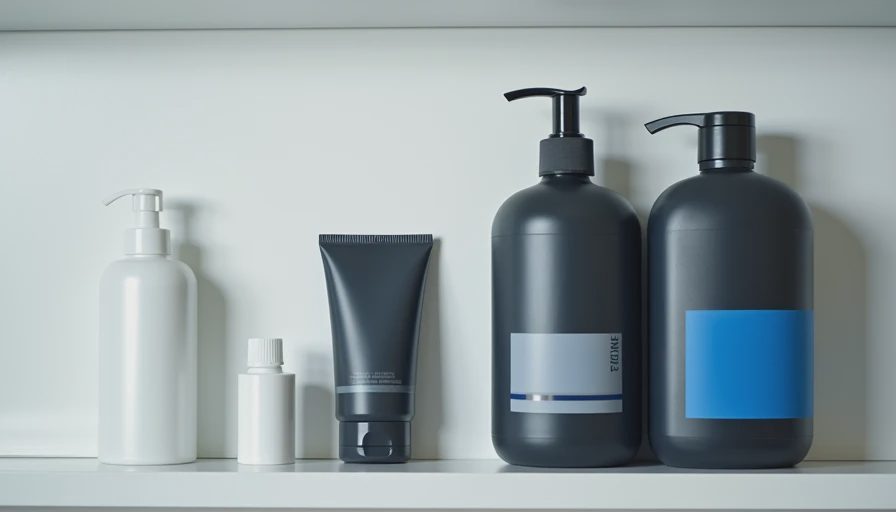
The Procurement Mindset at the Bathroom Sink
I spend my workdays negotiating contracts for bulk packaging and logistics. Spotting a markup is basically muscle memory at this point. So when I started paying attention to the skincare aisle, the same instincts kicked in hard.
A lot of what gets sold to guys is the same formula in a darker bottle with the word “men” printed on it and a 20–40% price bump. Some products genuinely perform better when you spend more. Most do not. The goal of this post is to draw a clear line between the two so you stop handing over extra money for marketing.
This is not a spreadsheet. It is just the judgment calls I have made after burning cash on both sides of the aisle.
Where Spending More Actually Helps
Sunscreen You Will Use Daily
This is the one category where I will pay a little extra without hesitation. A sunscreen that feels greasy, smells like a pool chemical, or leaves a white cast will sit half-used in the cabinet. The ones that disappear, feel light, and do not announce themselves are worth the higher price because you will actually put them on every morning.
I have tested cheap drugstore SPFs that made my face feel coated and expensive ones that felt like nothing. The difference in daily compliance is huge. Spend here if the cheaper options keep failing the “will I use this on a Tuesday” test.
A Razor That Does Not Destroy Your Neck
Whether you stay with cartridges or switch to a safety razor, the tool that contacts your face every other day is worth getting right. A dull or poorly designed blade creates irritation that no aftershave can fully fix. I would rather pay once for a razor that stays comfortable than keep buying replacements that leave my neck red.
This does not mean the most expensive option. It means the one that actually works for your skin without drama.
One Solid Moisturizer Texture
If every cheap lotion you try either feels greasy or disappears so fast it does nothing, it is reasonable to spend a bit more to find one you will use consistently. Texture and how it sits under the rest of your day matters more than fancy claims. Once you find the one that absorbs cleanly and does not pill, stick with it even if it costs a few dollars more per bottle.
Where You Should Almost Always Skimp
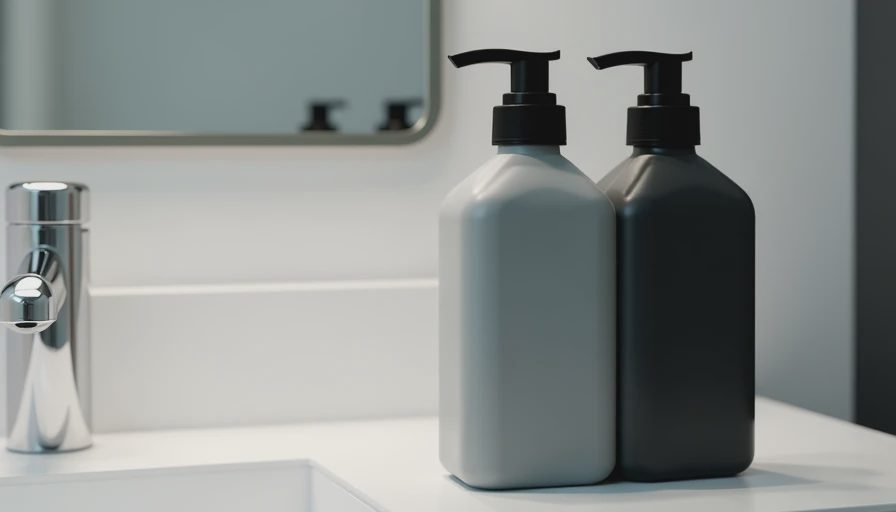
Anything Labeled “For Men” That Has a Regular Twin
Walk down the aisle and compare the ingredient lists. A shocking number of “men’s” versions are identical (or nearly identical) to the regular versions sitting two shelves away, just with different packaging and a higher price. I have done this comparison multiple times. The “for men” tax is real and usually unnecessary.
Buy the regular version unless there is a clear, meaningful difference in formula that actually matters for your face.
Eye Creams Aimed at Guys
Most of the eye creams marketed to men are moisturizers in a smaller, more expensive tube. If your regular face moisturizer is already doing the job, you do not need a separate product just because the packaging has a masculine font. I bought one. It did nothing my regular lotion was not already doing. That money went back into the “never again” column.
Fancy Aftershaves with Strong Scents
A basic, inexpensive alcohol-based or alcohol-free aftershave that calms the skin is usually enough. The ones that smell like a department-store cologne counter and cost three times as much rarely perform better at the actual job of reducing irritation. I switched back to a simple two-dollar option and my face did not complain.
Multi-Step Kits and “Systems”
Anything that comes as a three- or five-product set with matching branding is almost always priced for the experience, not the results. You can build a better, cheaper routine by buying the individual pieces that actually work. Kits are convenient for gift-giving. They are rarely the smartest way to spend your own money.
The Middle Ground: Test Before You Commit
Some categories sit in between. Beard oil, for example, can be worth a moderate spend if you actually have a beard and the cheap ones leave it feeling greasy or smelling strange. But you do not need the fifty-dollar artisanal bottle to start. Buy a basic one, use it for two weeks, and only upgrade if it clearly fails.
The same rule applies to most “treatment” products. Try the affordable version first. Only move up in price if you have a specific problem the cheap option cannot touch.
How I Decide in the Aisle Now
I ask three questions:
Is there a cheaper version that is basically the same thing?
Will I actually use this every day, or will it sit there because the texture or smell annoys me?
Am I paying for performance or for the story on the label?
If the answer to the first is yes, I buy the cheaper one. If the answer to the second is “it might sit there,” I either skip it or spend enough to get one I will use. If the answer to the third is “mostly the story,” I put it back.
The Bottom Line
Spend on the products that touch your face daily and that you will actually finish. Skimp on everything that is mostly packaging, scent, or “for men” branding.
I have wasted money on both sides of this line so you can skip some of the expensive lessons. The goal is not to buy the cheapest thing possible. It is to stop overpaying for things that do not deliver extra results.
Real talk, from the sink: most of the skincare aisle is priced for hope and marketing. A few products earn the higher price. The rest are just hoping you do not compare the labels.
Buy smart, use what works, and keep the rest of your money for things that actually matter.
No notes yet — write the first one.