The cheap vs expensive razor question usually starts in the drugstore aisle, where one handle costs $8 and another sits nearby for $35. I have stood there doing the math while Aaron and Lucy argued over which cereal to buy. The short answer is that price can improve the shaving experience, but it does not automatically buy a closer shave. Sometimes you are paying for a better handle, easier refills, or packaging that looks like it belongs in a hotel bathroom.
I am not a dermatologist or a professional barber. I am a guy in Overland Park, Kansas, testing razors at his own bathroom sink before work. My face gets shaved several times a week, and my budget still has to cover groceries, youth basketball, and keeping a 2016 F-150 alive. Here is what I learned after testing both ends of the shelf.
What you actually get when you pay more
A cheap razor is not necessarily badly made. A basic disposable from a brand such as Bic can handle a light, occasional shave for a few dollars. A low-cost cartridge system can also work if the blades are sharp, the head pivots, and you replace the cartridge before it starts dragging. The problem is that inexpensive products sometimes cut costs in the handle, lubrication strip, packaging, or consistency from one cartridge to the next.
More expensive razors usually offer a heavier handle, a flexible cartridge, a precision trimmer on the back, or a refill subscription. Gillette Fusion5, Gillette Mach3, Harry's, and Supply all approach the job differently. A premium metal handle can feel more controlled, while a flexible plastic cartridge can follow the jaw with less effort. Those are real benefits, but they are not magic.
The expensive part also includes marketing and distribution. A $30 starter kit may contain a $10 handle, one cartridge, and a fancy box. That does not make it a bad purchase, but it means the price tag is not a direct score for performance. In the cheap vs expensive razor debate, the cartridge design and your technique matter more than the logo stamped on the handle.

Where the cheap razor can win
The best argument for a budget razor is simple: replacement cost. If you can buy a pack of five cartridges for $10 to $15, you can change blades often without treating every refill like a financial event. Fresh blades usually glide better than an expensive cartridge that has been used too long. A person shaving once or twice a week may get perfectly acceptable results from a basic system.
Cheap options also make sense for travel, gym bags, guest bathrooms, and emergency mornings. I keep a disposable in my truck kit because forgetting a razor before a work trip is not a character-building experience. A $2 or $3 backup does the job and creates less stress if it gets lost.
There is a catch. Very cheap disposables can have fixed heads, narrow handles, or blades that feel rough when used on thick stubble. Pressing harder to compensate is where trouble starts. More pressure can lead to razor burn, small cuts, and irritation around the neck. The low sticker price disappears quickly if you need extra shaving cream or spend the afternoon rubbing an irritated jaw.
My practical test is this: if the razor pulls, skips, or leaves several patches after one careful pass, stop blaming your face. The tool may simply be worn out or poorly suited to your stubble.
When the expensive razor earns its place
A higher-priced razor earns its keep when it makes the routine easier every time. A balanced handle can reduce the urge to press down. A pivoting head can help around the chin and jawline. A trimmer edge is useful for sideburns and under the nose. If you shave daily before work, saving even a minute and avoiding two neck cuts can be worth several extra dollars per month.
This is where the cheap vs expensive razor question becomes personal. Someone with fine stubble and sensitive skin may prefer a simple two- or three-blade cartridge. Someone with coarse growth may like a sharper multi-blade system, but should still use light pressure and short strokes. More blades are not automatically better for every face. They can sometimes feel too aggressive, especially when shaving against the grain.
My own sweet spot has been a mid-priced cartridge system rather than the most expensive option on the shelf. I like a handle that does not feel flimsy and a cartridge that stays comfortable for several shaves. I do not need a designer case, a vibrating motor, or a refill box arriving every month. Real talk, from the sink: dependable and replaceable beats impressive-looking.
The cost per shave tells the truth
Look beyond the handle price. A $10 starter razor with four $3 cartridges costs $22 during its first refill cycle. A $35 starter kit with four $5 cartridges costs $55. If both provide about the same number of comfortable shaves, the cheaper system is the better buy. If the premium system prevents irritation and lasts longer, the gap becomes easier to justify.
A useful method is to write down three numbers: the starter price, the refill price, and how many comfortable shaves you get from one cartridge. For example, a $15 pack with five cartridges works out to $3 per cartridge. If each lasts five shaves, that is about 60 cents per shave. A $25 pack with four cartridges costs $6.25 each. If each lasts eight shaves, the premium option costs about 78 cents per shave. The difference is less than 20 cents per shave, which could be reasonable if the second razor feels much better.
Do not stretch a cartridge until it tugs just to make the math look good. Rinse it thoroughly, let it dry, and replace it when the blades pull or the lubrication strip is worn down. A fresh budget cartridge is often better than an exhausted premium one.
Technique beats the logo
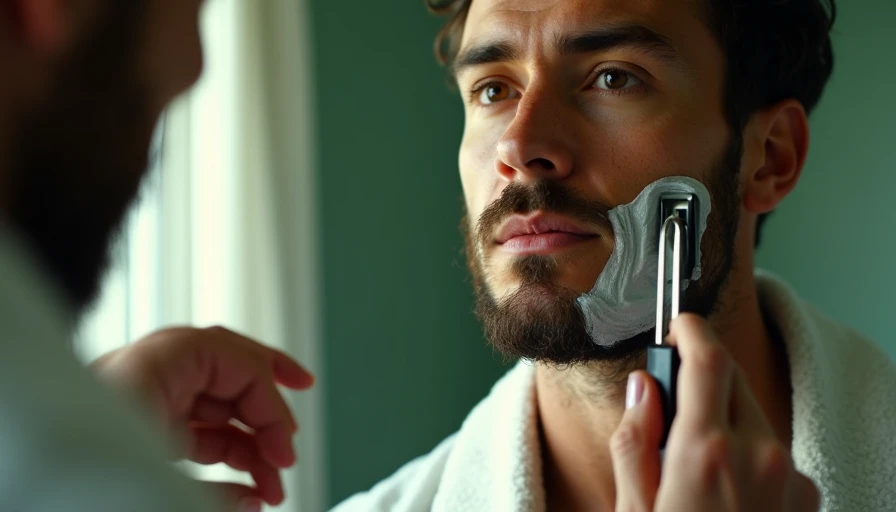
Before buying a new razor, fix the steps that cost nothing. Shave after a warm shower or hold a warm, wet washcloth against your face for a minute. Use enough shaving cream or gel to reduce drag. Move the razor with short strokes and rinse it frequently. Start with the grain, then decide whether you actually need a second pass across or against it.
Do not mash the cartridge into your skin. Let the blades do the cutting. On the neck, stretch the skin gently and slow down around the Adam's apple. Rinse with cool water afterward and apply a plain, fragrance-free moisturizer if your skin feels tight. This five-minute routine can make a cheap razor feel better than an expensive one used with dry skin and heavy pressure.
A dull blade is not a challenge to overcome. It is a signal to replace it. If you repeatedly get painful bumps or persistent irritation, stop experimenting aggressively and talk with a medical professional rather than adding more blades.
Should you buy cheap or expensive?
Buy the cheap option if you shave occasionally, have light stubble, want an inexpensive backup, or are still learning your technique. Choose a more expensive system if you shave most days, need better control around your jaw, or have found that budget cartridges tug before you finish the job. A mid-range handle with reasonably priced refills is usually the safest starting point for a beginner.
My verdict in the cheap vs expensive razor matchup is not that one side wins. Start with a reliable budget or mid-priced system, track how many comfortable shaves each cartridge provides, and upgrade only when you can name the problem the upgrade solves. If the $8 razor gives you a clean, comfortable shave, keep the $35 model on the shelf. If the cheaper one leaves cuts and irritation every week, paying more for control is sensible.
The best purchase is the one you will use correctly and replace on time. Real talk, from the sink: spend enough to avoid tugging, but do not confuse a heavy handle and glossy packaging with a better shave.


No notes yet — write the first one.