The Markup I Kept Noticing
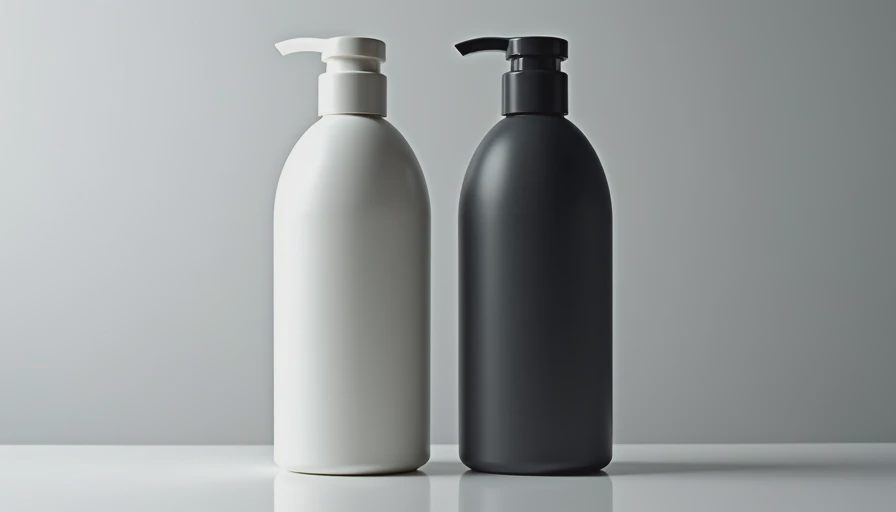
Once I started reading labels the way I read supplier contracts, a pattern became hard to ignore. A lot of products aimed at men sit on the shelf next to nearly identical versions that do not say “for men.” Same key ingredients. Same basic function. Different bottle shape, darker colors, more aggressive font—and a higher price.
I started calling it the “for men” tax. It is the extra money you pay for packaging and marketing that tells you this version is specifically for guys. In many cases that is the main difference.
This post is about recognizing it and deciding when (if ever) the extra cost is worth it.
How the Tax Usually Works
Companies take a formula that already exists, put it in a bottle designed to look masculine, add the words “for men” or “men’s,” and raise the price. Sometimes the fragrance is adjusted. Sometimes the marketing claims are rewritten. Often the ingredient list is almost a mirror image of the cheaper regular version two feet away.
I have stood in the aisle and compared them side by side more than once. The differences are frequently smaller than the price gap.
Real Examples From My Own Shopping
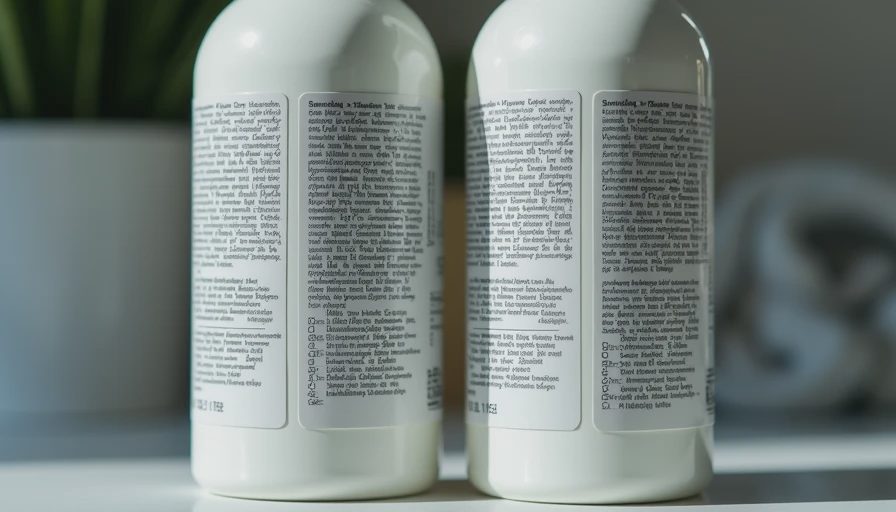
Face washes are a common place to see it. One bottle says it is for men and costs several dollars more. The regular version next to it lists the same primary surfactants and moisturizing ingredients. The “men’s” one just comes in a darker bottle with bolder lettering.
Moisturizers pull the same move. A basic lotion gets a charcoal-gray tube, a new name, and a 20–40 percent bump. The texture and the way it sits on my face end up nearly the same.
Even some aftershaves and body washes follow the pattern. The scent might be slightly different, but the performance difference rarely matches the price difference.
I am not saying every men’s product is a copy. Some are formulated differently on purpose. But enough of them are close enough that the default assumption should be “check the other version first.”
Why It Keeps Working
Most guys do not compare ingredient lists in the middle of a Target run. We grab the one that looks like it is meant for us, especially if we are already uncomfortable in the skincare aisle. The packaging does its job. It signals “this is safe for you to buy” and we pay the premium for that signal.
I did the same thing for years. Once I started treating the labels like data instead of decoration, the tax became obvious.
When Paying Extra Might Still Make Sense
There are a few cases where the men’s version is worth considering:
The regular version has a fragrance you cannot stand and the men’s one is milder or different.
The texture has been adjusted in a way that actually feels better on your face.
You have already tested both and the men’s version clearly performs better for your skin.
Those situations exist. They are just less common than the marketing suggests. The burden of proof should be on the higher-priced bottle to show it is meaningfully better, not on you to assume it is.
How I Shop Now
I look at the regular version first. I read the front claims and the back ingredient list. Then I look at the men’s version and do the same. If the core ingredients and the job the product does are basically the same, I buy the cheaper one unless there is a specific reason not to.
This takes an extra sixty seconds in the aisle. It has saved me real money over time and has not cost me any results.
I also stopped treating “for men” as a quality signal. It is a marketing signal. Quality shows up in how the product actually behaves on your face over two weeks, not in the color of the bottle.
The Bigger Point
The skincare and grooming aisle is full of products that earn their price and products that earn their margin. The “for men” tax belongs mostly in the second group. Once you see it, it is hard to unsee.
You do not need to become a label detective for every purchase. You just need to notice when two bottles are doing the same job and one of them is charging extra for the story.
Real talk, from the sink: I paid the tax for a long time because I did not know I was paying it. Now I check. Most of the time the regular version works exactly as well and leaves more money in my account. That is the kind of quiet win a procurement guy can appreciate.
Next time you are standing in the aisle, pick up both bottles. Read the back. Decide with your eyes open. That small habit is worth more than most of the premium products on the shelf.
No notes yet — write the first one.