I bought my first straight razor because I thought it would make shaving simpler. No plastic cartridge refills, no five-blade marketing, no standing in Target comparing handles like I was buying a power drill. Then I put the blade against my face and immediately realized this was not a normal Monday-morning shave. A straight razor is a real tool, and it rewards patience while punishing hurry. Real talk, from the sink: it can give you a close shave, but it is not automatically better for every guy.
What a straight razor actually is
A straight razor has one exposed cutting edge that folds into a handle. Unlike a safety razor, which holds a small replaceable blade under a guard, the straight razor puts your technique directly between your skin and the edge. Traditional models use a blade that must be stropped and occasionally honed. Shavettes look similar but use disposable blades, so you skip sharpening while keeping much of the same learning curve.
The appeal is easy to understand. One quality razor can last for years, and replacement blades for a shavette cost far less than buying cartridge packs every few weeks. The downside is equally clear: the blade does not forgive pressure, awkward angles, or an impatient pass around the jaw. If you normally shave in three minutes while thinking about work, this tool will expose that habit quickly.
My first mistake was buying an inexpensive kit that included a flimsy razor, mystery soap, and a brush that felt like a tiny broom. I spent about $35 and got irritation, nicked skin, and no useful instructions. The cheap bundle was not a bargain; it was a collection of mediocre parts wearing a bargain price tag.
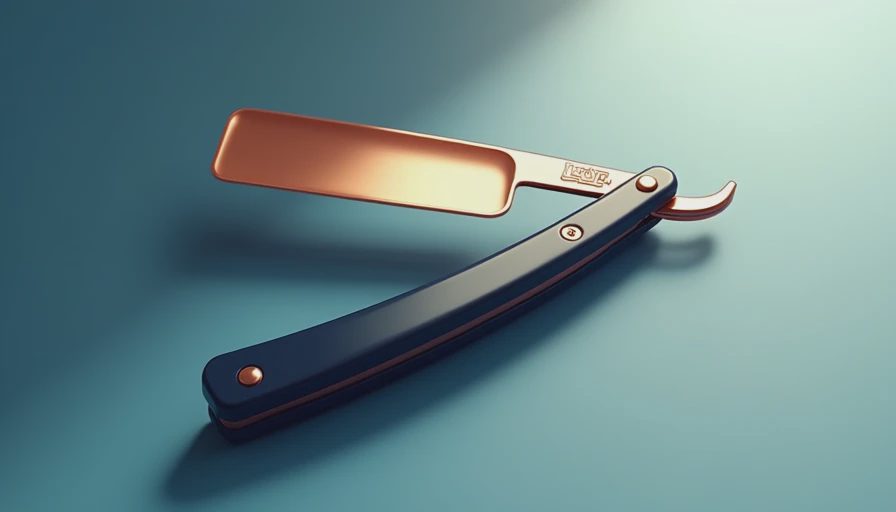
The beginner setup that makes sense
You do not need a bathroom shelf full of grooming gear. Start with a reputable razor or shavette, a small shaving bowl or mug, a basic synthetic brush, shaving soap or cream, and a plain fragrance-free moisturizer. A styptic pencil can help with small cuts, although it is not a substitute for slowing down.
For a first straight razor, I would rather spend $60 to $120 on a properly made model from a known shaving retailer than gamble on a $20 marketplace kit. Dovo and Gold Dollar are commonly seen in traditional shaving circles, while Feather Artist Club products are respected in the shavette category. Brand reputation does not replace technique, but poor construction makes learning harder.
If you choose a shavette, buy compatible blades from a legitimate seller and dispose of them in a sharps container or another secure container according to local disposal guidance. Never leave an exposed blade in a drawer where Aaron or Lucy could find it. I keep mine closed, dry, and well away from the kids.
How to use a straight razor without making a mess
Wash your face with warm water, or shave after a shower when the beard is softer. Apply cream generously and let it sit for a minute. Hold the razor with a light grip, around a thirty-degree angle, and stretch the skin gently with your free hand. Use short strokes, usually with the direction of hair growth, and let the blade do the cutting. Do not press down the way you might with a cartridge razor.
Start with the cheeks. They are the flattest, easiest area, and they let you learn the angle without navigating the chin or neck. Move to the sideburns and upper lip next. Save the jawline and neck for later sessions, when your hand understands how the edge behaves. Rinse the blade often, but do not wave it around under a strong faucet like a miniature sword.
Your first few shaves should take fifteen to twenty minutes. That is normal. My first successful pass took longer than getting the kids ready for basketball practice, but it was also much better than my first attempt. Stop if your skin starts burning or your grip gets tired. A half-shaved face is better than a deep cut.
Straight razor mistakes I made first
The biggest error was chasing a perfectly smooth result immediately. I made extra passes over my neck because I could feel roughness, then spent the afternoon looking like I had rubbed sandpaper under my jaw. Two passes are plenty while learning. A close shave is not worth redness that lasts until dinner.
I also skipped preparation once because I was late for work. The result was predictable: tugging, a few small cuts, and irritation around the corners of my mouth. Preparation is not fancy grooming theater. It softens the hair and gives the blade a smoother path.
Another common problem is a dull edge. With a traditional straight razor, stropping aligns the edge before shaving; it does not sharpen a badly worn blade. If the razor pulls instead of cutting, it may need professional honing. Do not try to fix it by adding pressure. That is how a manageable shave turns into a bathroom cleanup project.
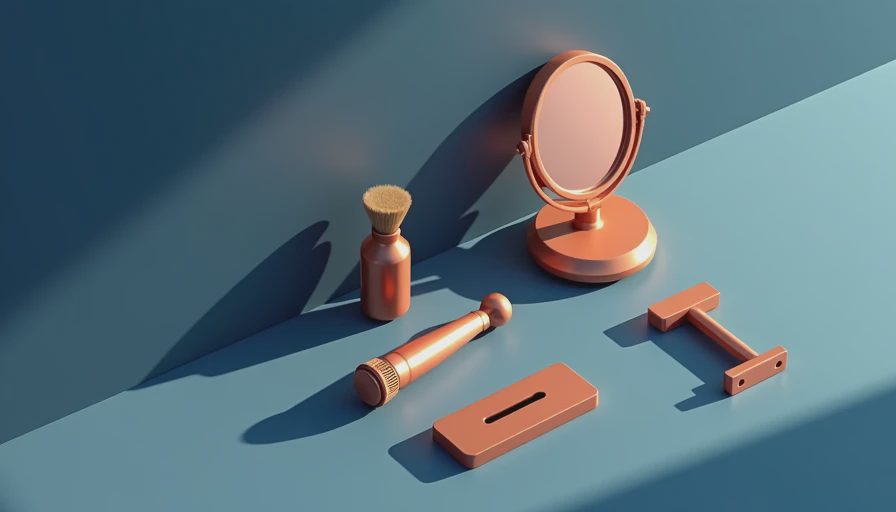
Maintenance, cost, and daily practicality
Dry the razor completely after use. Wipe the blade carefully, leave it open briefly so moisture can evaporate, then store it somewhere dry. A traditional razor needs regular stropping on a leather strop, and occasional honing can cost roughly $15 to $30 if you send it to someone experienced. A shavette avoids those steps but requires frequent blade changes.
The cost comparison gets interesting after the initial purchase. A cartridge user might spend $20 to $40 on replacement heads several times a year, depending on brand and frequency. A traditional straight razor can reduce ongoing blade costs, but the savings are not immediate once you count a strop, honing, soap, and replacement hardware. Buy it for the experience and long-term ownership, not because it is a magic way to save five dollars this month.
I also appreciate the waste reduction. There are fewer plastic cartridge assemblies heading into the trash. Still, this is not the most convenient option for travel. I would pack a basic cartridge razor for a hotel bathroom and save the straight razor for home, where I have time and a stable counter.
Is a straight razor right for you?
Choose a straight razor if you enjoy learning a physical skill, want a slower weekend shave, and are willing to practice for a few weeks. It can be satisfying in the same way maintaining an old truck is satisfying: the result depends on your hands, not just the product label. You will probably enjoy it more if you treat the first ten shaves as training rather than a performance test.
Skip it if you need a fast shave before a commute, frequently rush through grooming, or already struggle with hand control. A safety razor offers a good middle ground, with a guarded blade and low-cost replacements. A modern cartridge remains perfectly reasonable for speed. There is no masculinity score attached to the tool beside your sink.
My bottom line is simple: buy a straight razor only if the process interests you. Start with a dependable shavette or a properly finished traditional model, practice on your cheeks, and keep the pressure light. I spent money learning that fancy gear cannot rescue careless technique. The best shave is the one that leaves your face comfortable, your morning on schedule, and your bathroom free of blood spots.





No notes yet — write the first one.