Razor burn is one of those bathroom problems that makes you look like you lost an argument with a cheese grater. You shave before work, pull on a clean shirt, and then notice the red bumps, stinging skin, and irritated neck staring back from the mirror. I have dealt with it plenty of times, especially when rushing before coaching Aaron's basketball practice. The good news is that razor burn usually comes from a few fixable habits, not some mysterious failure of your face.
I am not a dermatologist. I am a 38-year-old guy in Overland Park testing products at his own bathroom sink. After wasting money on fancy creams and shaving too quickly, I found a simpler approach: soften the hair, use less pressure, shave with the grain, and calm the skin afterward. Real talk, from the sink.
What Causes Razor Burn in the First Place
Razor burn is irritation caused by shaving, usually when the blade scrapes the skin, pulls at hair, or removes too much of the skin's protective surface. It can look like a flat red rash, feel hot or itchy, and show up within minutes or several hours after shaving. The neck is often the worst area because the hair grows in different directions and the skin moves while you shave.
A dull blade is a common culprit. When I keep using the same cartridge because I want to get one more week out of it, I press harder and make extra passes. That combination turns a five-minute shave into a small sanding project. Dry shaving, hot water that is too hot, heavily fragranced products, and shaving against the grain can also make irritation worse.
There is another issue worth separating from ordinary irritation. Razor bumps, sometimes called pseudofolliculitis barbae, happen when shaved hairs curl back into the skin. They tend to be individual raised bumps rather than one broad red patch. The basic prevention steps overlap, but persistent or painful bumps deserve medical advice.

The Five-Minute Shaving Routine That Helped Me
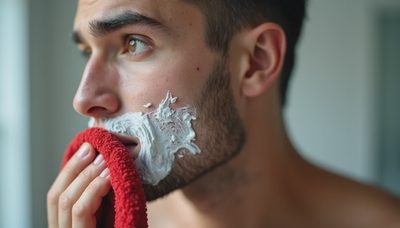
Start with warm water, not boiling water. I shave after a shower when possible because the hair has had a few minutes to soften. If I am in a hurry, I hold a warm, damp washcloth against my face for about a minute. Then I apply a small amount of plain shaving cream or gel and let it sit for another minute. That pause costs less time than cleaning up an irritated neck later.
Use a sharp, clean razor and short strokes. Rinse the blade after each stroke instead of dragging a clogged cartridge across your skin. I use a Gillette Mach3 when I want a close shave and a Philips OneBlade when I want less closeness with less irritation. The OneBlade does not produce a perfectly smooth result, but a little stubble is a fair trade when my neck is already angry.
Shave with the direction of hair growth first. You can make a second pass across the grain if necessary, but avoid automatically going against the grain everywhere. Use your free hand to hold the skin reasonably flat, not stretched tight like a drum. Light pressure is the goal. The razor should do the cutting; your hand should not try to improve the design.
What to Put on Irritated Skin After Shaving
Rinse with cool water and pat your face dry. Do not scrub it with a towel, even if the skin feels rough. For a basic after-shave product, I prefer a fragrance-free moisturizer such as CeraVe Daily Moisturizing Lotion or Vanicream Daily Facial Moisturizer. Both are boring in the best possible way: they support the skin barrier without making my face smell like a nightclub.
Avoid alcohol-heavy aftershaves if stinging and redness are already a problem. That sharp burn can feel clean, but it is not proof that the product is helping. I made that mistake with a classic drugstore splash and spent the rest of the morning looking flushed. A cool compress for five to ten minutes can settle mild razor burn, and leaving the area alone is often more useful than adding three new products.
Do not pile on exfoliating acids, retinoids, or strong acne treatments immediately after shaving. Ingredients such as salicylic acid and glycolic acid can be useful in a wider routine, but freshly shaved skin is not the time to run experiments. Introduce one product at a time on a non-shaving day so you know what actually caused a reaction.
How I Prevent Razor Burn Before It Starts
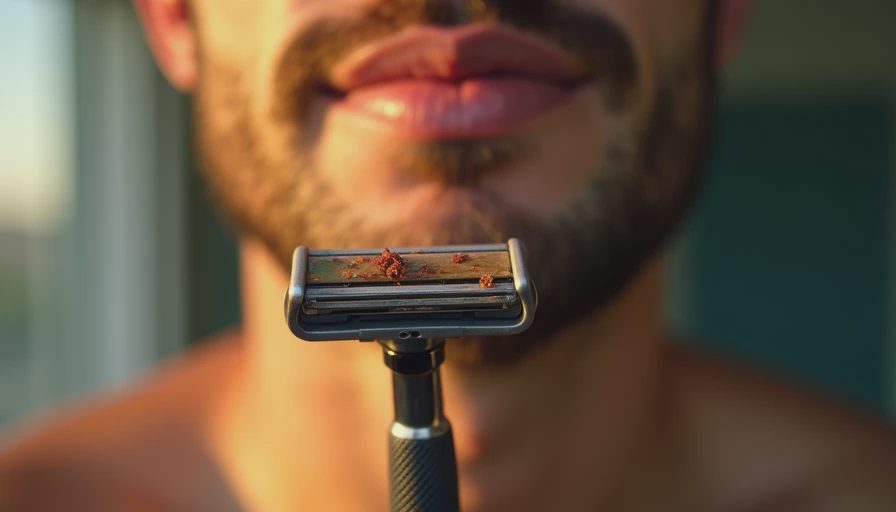
My prevention checklist is simple. I replace disposable or cartridge blades when they tug, skip, or show visible buildup instead of waiting for a calendar date. I rinse the blade thoroughly, let it dry outside the shower, and never share it. Moisture and soap residue are not doing the metal any favors.
I also stopped chasing a perfectly smooth neck. For work and normal family life, shaving once in the morning is enough. If I need to clean up a missed area, I use a little more shave gel and make one gentle pass. Repeatedly going over the same spot is how a minor patch becomes a full afternoon of razor burn.
A fragrance-free cleanser can help remove leftover shaving cream without adding more irritation. My own routine is cleanser, shave, cool rinse, moisturizer, and sunscreen if I will be outside. That is five minutes, not a bathroom chemistry degree. If you use an electric trimmer, clean the head according to the manufacturer's instructions and avoid pressing it firmly into the skin.
When Redness Is More Than Normal Irritation
Mild razor burn should start settling within a day or two after you stop irritating the area. Get medical advice if the redness keeps spreading, the skin becomes very painful, you see pus, or the area feels increasingly warm and swollen. Those signs can point to infection or another skin condition rather than ordinary shaving irritation.
You should also talk with a dermatologist if recurring bumps leave dark marks, scars, or painful lumps. A professional can help determine whether your shaving technique, hair pattern, acne, eczema, or an infection is involved. I am comfortable recommending a better blade and less pressure; I am not qualified to diagnose a stubborn skin problem from a bathroom mirror.
My Straightforward Product Picks
For a low-cost starting setup, buy a basic fragrance-free shaving gel, a fresh razor, and a plain moisturizer. Cremo Original Shave Cream is concentrated and easy to find, while Vanicream and CeraVe offer simple moisturizer options. If cartridges irritate your neck, try an electric option before jumping to a complicated safety-razor setup. Fancy equipment is not automatically better equipment.
My buying advice is practical: spend money on the blade you can use gently, not on a $60 aftershave that makes dramatic promises. If a product burns immediately, smells overpowering, or leaves your skin tighter than before, stop using it. A shaving product should help the process, not demand a recovery plan.
The biggest improvement for me was not a miracle product. It was taking two extra minutes, shaving with the grain, and accepting that my neck does not need to look airbrushed. Razor burn became less frequent once I stopped treating every remaining hair as a personal challenge.
So should you buy something? Buy a fresh blade, a mild shaving product, and a fragrance-free moisturizer first. Skip the alcohol splash and the ten-step routine. Try that setup for two weeks, change only one variable at a time, and pay attention to what your skin is telling you. That is the sink-level answer: less pressure, fewer passes, and no unnecessary drama.




No notes yet — write the first one.