I bought the Dr. Jart+ Cicapair Tiger Grass Color Correcting Treatment because my face looked red, tired, and generally like I had just finished arguing with a lawn mower. This Cicapair Tiger Grass Color Correcting Treatment review is the kind of test I wanted before spending the money: what it looks like at the bathroom sink, how it wears through a workday, and whether it actually makes a guy look more put together without looking like he is wearing makeup.
I am 38, not a dermatologist, and not connected to the beauty industry. I am just a guy in Overland Park, Kansas, testing products one at a time. My skin is fairly normal, with some redness around my nose and cheeks, occasional dry patches, and the usual signs that I have children and a mortgage. Real talk, from the sink: this product is more useful than I expected, but it is not magic.
What the Cicapair treatment actually does
The product is a green-tinted cream designed to visually reduce the appearance of redness. Green and red sit opposite each other on the color wheel, so the tint can make irritated-looking areas appear more neutral. It does not cure rosacea, heal a breakout, or permanently change your skin tone. Think of it as a quick visual correction, not a treatment in the medical sense.
The cream comes out pale green and feels thicker than a regular moisturizer. After spreading it over my face, the color shifts toward a beige tone. That adjustment is the whole trick. On my cheeks, it softened the red enough that I looked less flushed. Around my nose, one thin layer helped. A heavy layer looked chalky and made the product easier to notice, especially beside my beard stubble.
The first surprise in this Cicapair Tiger Grass Color Correcting Treatment review was how little product I needed. A pea-sized amount covered my face when I worked it in slowly. That matters because the container is not cheap, and using a quarter-sized scoop every morning would turn a useful product into an expensive habit.

How I tested it on a normal weekday
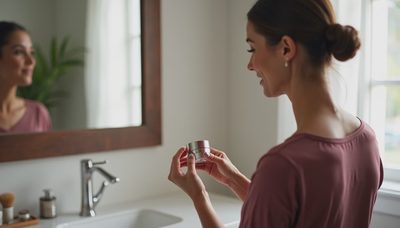
I tested it after washing my face with a basic gentle cleanser and letting my skin dry for a few minutes. I did not put it over shaving irritation, because almost anything looks strange on freshly scraped skin. I used a plain moisturizer first on the dry spots, waited about five minutes, then applied the Cicapair treatment with my fingers.
The application takes less than a minute, but the technique matters. I dotted it on my cheeks, nose, forehead, and chin, then blended outward. I left my eyelids alone. The product has enough color that careless application can leave obvious edges along the hairline or jaw. In other words, do not slap it on like sunscreen before running late to work.
At first, the finish looked slightly brighter and more even. It was not shiny, but it was not completely invisible either. After about ten minutes, it settled down. Anna noticed that my face looked less red but did not ask whether I had used anything. That is a successful result for me. I wanted “you look less tired,” not “what is on your face?”
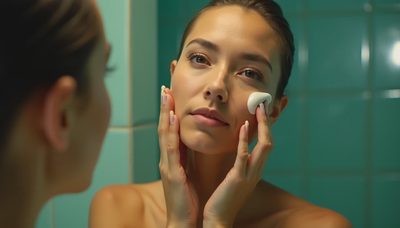
The Cicapair Tiger Grass Color Correcting Treatment review gets more complicated if you have oily skin. My cheeks stayed comfortable, but my forehead became a little slick by lunchtime. A tissue pressed lightly against the area fixed that without removing everything. If your skin is dry, the cream can be forgiving. If your skin gets oily, use less and avoid stacking a heavy moisturizer underneath.
Coverage, color, and wear time
This is not foundation coverage. It will not hide a dark spot, a raised blemish, or under-eye circles. It works best on broad, mild redness. My cheeks looked more even, while a red mark from shaving was still visible. That distinction is important because product photos can make color correction look like a total face transformation.
The shade adjustment worked on my light-to-medium skin, but I could see how the beige cast might be noticeable on deeper or very fair complexions. I would test a small amount along the jaw before committing to a full face. The product is not tinted sunscreen, so it should not replace a broad-spectrum SPF during the day.
For wear, I got roughly six hours of useful correction before the effect became less noticeable. It did not slide off dramatically, but the redness around my nose started showing again after lunch. Sweat from coaching youth basketball shortened that window. On a desk-job day, it held up well enough for meetings, errands, and picking up the kids.
Is the price worth it?
The price usually lands in the mid-$30 range, depending on the retailer and container size. That is more than I wanted to spend on a green face cream. I initially treated it like another overhyped grooming product and expected to use it twice before abandoning it in a drawer.
The value depends on what problem you are solving. If you only have mild redness and do not care much about appearance, a basic moisturizer and sunscreen are better places to start. If redness makes you look perpetually overheated and you want a fast improvement for work or photos, the cost is easier to justify. One small container can last several months when used sparingly.
This Cicapair Tiger Grass Color Correcting Treatment review would be unfair without mentioning alternatives. A tinted moisturizer gives more general coverage but can look more like makeup. A green primer may cost less, yet it often needs foundation over it. A plain moisturizer costs far less but does not provide the same immediate color effect. Dr. Jart+ sits in the middle: more targeted than a tinted moisturizer, more natural-looking than many full-coverage products.

What I liked and what bothered me
The biggest win is speed. I can wash my face, moisturize, apply this product, and be out the door in five minutes. It does not require a brush, blending sponge, or ten-step routine. For a beginner, that is a real advantage. The cream also did not sting my skin during normal use, although irritation is possible with any skincare product.
The main drawback is the learning curve. Too much product creates a pale cast, and rubbing it aggressively can make dry patches more obvious. It also did not solve the underlying reasons my face looked rough after shaving or a bad night of sleep. I still needed a simple routine: gentle cleanser, moisturizer, sunscreen, and occasional shaving adjustments.
My Cicapair Tiger Grass Color Correcting Treatment review also comes with one practical warning: do not judge it under only one bathroom light. I checked it near a window, in the truck mirror, and under the bright lights at work. The product looked most natural in daylight after it had settled. That two-minute check saved me from walking into a meeting with a visible green-beige patch beside my nose.
Should you buy it?
Buy it if you have mild facial redness, want a quick low-effort improvement, and are willing to practice using a very small amount. It is especially useful before a presentation, date, family photo, or day when you would rather not look like you slept four hours, even if you did.
Skip it if you expect acne coverage, medical treatment, or a completely invisible result from the first application. Also skip it if your skin is significantly irritated until you understand what is causing that irritation. A cosmetic color corrector cannot replace professional advice for persistent redness, pain, itching, or swelling.
My final Cicapair Tiger Grass Color Correcting Treatment review is simple: buy it, but start with the smallest practical amount and treat it like a finishing product, not a cure. It made my face look calmer without turning my morning into a hobby. For me, that earns a recommendation. Real talk, from the sink: it is not essential, but it is one of the few grooming products I would replace when the container runs out.


No notes yet — write the first one.