I first noticed the phrase pore refining solutions correcting serum while trying to find one product that could make my face look less rough and tired. That is a long name for a small bottle, and long names usually make me suspicious. Is it a useful treatment, or just expensive liquid with a clever label? I am not a dermatologist. I am a 38-year-old dad in Overland Park testing products at his own bathroom sink, and I care about what happens after the bottle leaves the store shelf.
What this serum is supposed to do
The basic pitch is easy to understand. A product like this is intended to improve the look of enlarged pores, uneven texture, excess oil, and leftover marks from old breakouts. It cannot permanently shrink a pore. Pores are openings in the skin, not doors that close because a serum asked politely. However, keeping oil and dead skin from building up can make them look less noticeable.
The phrase pore refining solutions correcting serum also suggests a correcting product rather than a simple moisturizer. That usually means you should expect active ingredients, such as niacinamide, salicylic acid, alpha hydroxy acids, or a retinoid, depending on the actual formula. The ingredient list matters more than the front label. A serum with niacinamide might help with oil control and visible redness, while an exfoliating acid may smooth rough patches. You need to know which job the bottle is actually doing before adding it to your routine.
My first mistake was treating every serum as harmless because it comes in a small, clean-looking bottle. I put an exfoliating product on twice a day, added a scrub, and ended up with tight, irritated skin. That was not a pore problem. That was me using a procurement-manager level of enthusiasm on a face that had asked for one change at a time.
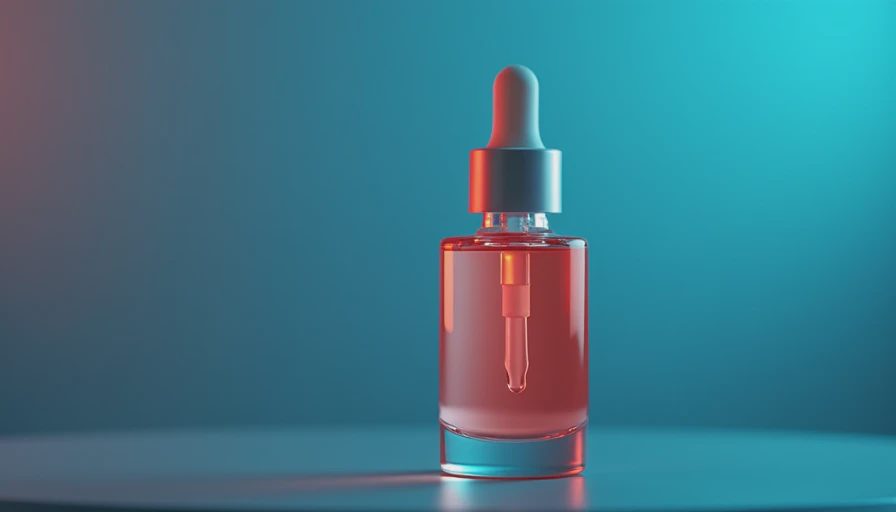
How to use pore refining solutions correcting serum without wrecking your face
Start with a clean, dry face at night. Use two or three drops, spread them across the forehead, nose, cheeks, and chin, then leave it alone. Do not massage until your skin turns red. Follow with a plain moisturizer. If the label allows morning use, sunscreen still belongs on top because several correcting ingredients can make skin more sensitive to sunlight.
For a beginner, two or three nights per week is enough for the first couple of weeks. If your skin stays comfortable, increase gradually. Do not introduce a new scrub, toner, aftershave, or retinol at the same time. If you cannot tell what caused irritation, you have created a bad experiment. A small patch test near the jaw is a sensible first move, particularly if you have reacted to skincare products before.
The practical routine takes about five minutes. Wash, apply pore refining solutions correcting serum, moisturize, and move on to helping a kid find a missing basketball shoe. In the morning, use a gentle cleanser, moisturizer, and broad-spectrum SPF 30 or higher. That is enough. You do not need a shelf full of matching bottles to make progress.
What results are realistic
The first change you might notice is less greasy shine around the nose and forehead. Texture improvements can take several weeks because skin does not rebuild itself overnight. Dark marks from old blemishes are even slower. Anyone promising an instant filter effect from pore refining solutions correcting serum is selling the fantasy, not the routine.
Also, lighting can fool you. Bathroom bulbs, phone cameras, and a freshly washed face all change how pores appear. I take a quick photo in the same spot every two weeks instead of inspecting my nose from six inches away every morning. That method is less dramatic but more useful. Look for fewer clogged-looking areas, smoother feel when washing, and less oil by lunchtime. Those are better signs than expecting your pores to vanish.
If you have painful acne, persistent redness, peeling, or a rash, this is not a substitute for medical care. A cosmetic serum can support a basic routine, but it is not a treatment plan for every skin condition.

Price, packaging, and what to check before buying
I would judge pore refining solutions correcting serum by the formula and cost per use, not by the word “correcting.” A basic serum in the $10 to $25 range can be perfectly reasonable. Paying $40 or more does not automatically make it better. Brands such as The Ordinary, CeraVe, Good Molecules, and La Roche-Posay offer different approaches at several price points, but their products are not interchangeable. One may focus on niacinamide, another on exfoliation, and another on barrier support.
Before buying, read the active ingredients, directions, bottle size, and return policy. A one-ounce bottle used at three drops per night can last months, while a pump that dispenses too much turns a fair price into a bad deal. Avoid buying two strong actives just because a retailer recommends them together. Your skin does not care whether the products were displayed on the same shelf.
Store the bottle as directed, keep the dropper clean, and stop using it if you develop significant burning or swelling. Mild tingling is not a requirement for effectiveness. That “working hard” feeling is often just irritation wearing a fake mustache.
My sink-level verdict
Pore refining solutions correcting serum can earn a place in a simple routine if the ingredient list matches your goal and the price does not make you wince. It is most useful for someone dealing with visible oil, uneven texture, or pores that look more obvious after a long day. It is not a magic eraser, and it will not permanently change pore size.
For a first purchase, I would choose a clearly labeled formula, start slowly, and pair it with a basic moisturizer and sunscreen. Skip it if the packaging hides the ingredients, promises instant transformation, or encourages you to stack several aggressive treatments. Buy it when the product offers one clear job at a reasonable cost. That is how pore refining solutions correcting serum should be approached: as one useful tool, not a personality transplant.
Real talk, from the sink: the best routine is the one you can repeat without making your face angry. If this serum fits that rule, it is worth testing for a month or two. If it requires a complicated schedule, a painful application, or a $70 commitment before you know your skin can tolerate it, put it back and keep looking.




No notes yet — write the first one.