I used to treat morning face care like a parking lot repair: do the minimum and get on with life. Then I started using spf moisturizer and realized the whole point is to cut one step, not add one. If you are a guy who wants less shine, fewer dry patches, and some sun protection without turning your sink into a science project, this is the lane. I am not a dermatologist. I am just a guy in Overland Park who got tired of buying two bottles when one decent bottle would do.
What an spf moisturizer actually does
An spf moisturizer is just face lotion with sunscreen built in. That sounds boring, but boring is good when it works before coffee. The useful part is broad-spectrum protection, which means it helps with the UVA and UVB stuff that cooks your face while you drive, coach a youth basketball game, or stand at the grill in the backyard. For most guys, SPF 30 is the sweet spot. It is easy to find at Target, Walgreens, Costco, and Amazon, and it usually feels less greasy than the heavy beach stuff. The catch is simple: if you use too little, you are paying for a label, not real coverage.
How I pick one at the store
The first spf moisturizer I actually finished had a plain bottle, no fancy smell, and a price tag around fifteen bucks. That is the zone I like. I look for broad-spectrum SPF 30 or higher, fragrance-light, and something that does not leave a white smear in the beard line. If the front of the tube says oil-free or non-comedogenic, good. If it looks like it belongs on a magazine cover more than on a bathroom counter, I usually pass. I learned that the hard way after buying a forty-dollar tube that felt slick for an hour and then made my face shiny by lunch. That was a dumb purchase, and I say that as a guy who negotiates contracts for a living. The good news is you do not need premium pricing to get something usable. Drugstore and mass-market brands have plenty of decent options, and the better ones are usually in the twelve-to-twenty-five-dollar range. If you see a huge jump over that, the extra money should buy a better texture, not just a prettier box.
How to use it without messing it up
Put it on clean, dry skin after shaving, not before. If you shave in the morning, give your face a few minutes so the sting settles down. Use enough to cover your face and neck; a pea-sized dab is usually not enough, especially around the ears and jawline. I rub it in like I am trying to warm up brake grease, then I do the back of my hands too because they take a beating on the steering wheel. If your eyes are sensitive, stay a little away from the lash line. That one change keeps the day from turning into a watery mess. When I stick to that routine, my skin looks less tired by lunch and I do not have the tight, chalky feeling I used to get from plain lotion.
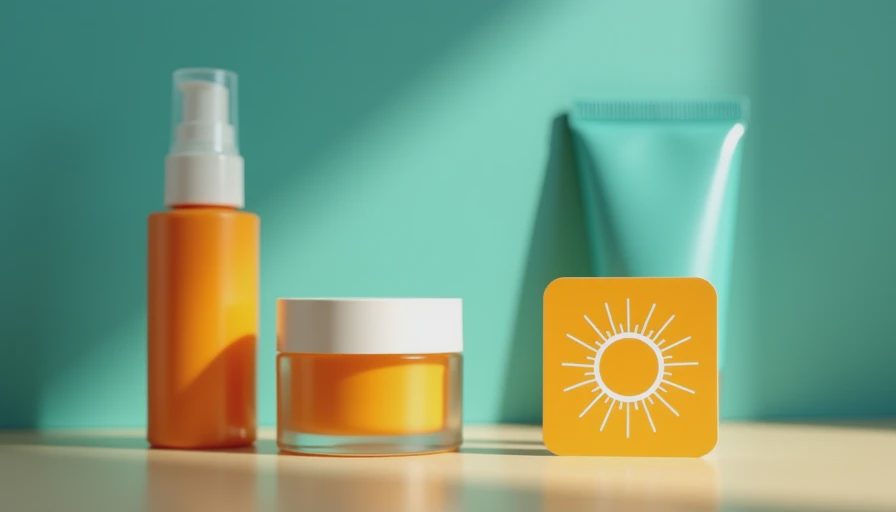
When a regular lotion plus sunscreen beats spf moisturizer
A regular lotion plus sunscreen can beat a one-bottle setup if you work outside, golf a lot, or spend half the day in the sun. I am not against that. If I am smoking brisket on a Saturday, mowing, or hanging around a ballfield for three hours, I want a dedicated sunscreen on top of whatever face moisturizer I used that morning. But for a normal office day, school drop-off, store run, and a little time in the Kansas sun, one product is easier to keep up with. That matters more than people admit. The best routine is the one you actually do before the coffee kicks in. Brands like CeraVe, Olay, Neutrogena, and La Roche-Posay all have versions in this lane, and the right one is the one your face will tolerate every day, not the one with the most hype.
The mistakes that waste money fast
The big mistake is treating sun protection like a one-and-done sticker. If you are outside for hours, reapply. That is not me being dramatic; it is just how sunscreen works. Another mistake is using an old tube from last summer that lived in the truck console. Heat can be rough on products, and a crusty bottle is not doing you any favors. I also see guys grab face lotion with a tiny SPF number and act like they are set for the day. If it says SPF 15 and you are driving all afternoon or sitting by a window, that is not the same thing as a solid daily face product. Use enough. Put it on fresh skin. Replace it before it turns into mystery paste. Those three habits save more money than chasing fancy marketing ever will.
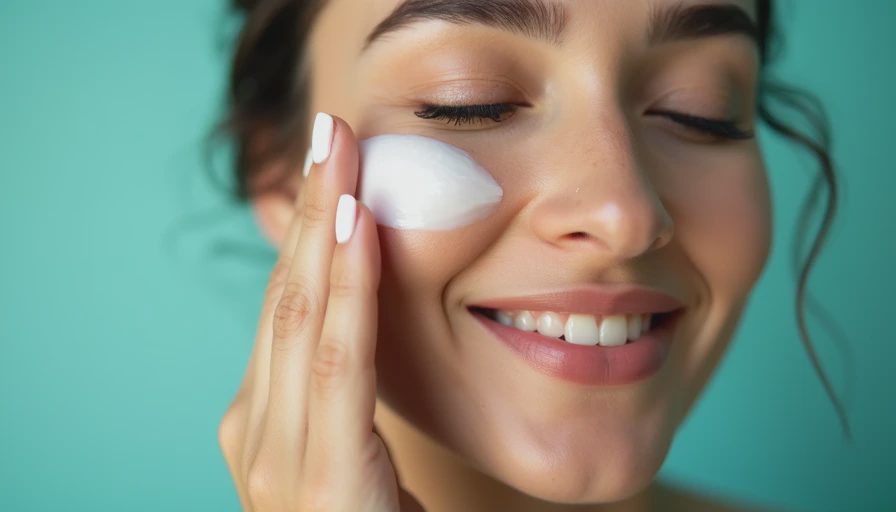
Should you buy it?
If you want one morning product that makes your face feel less dry and gives you basic sun protection, yes. That is the whole appeal. It is not glamorous. It is not complicated. It is a good contractor: shows up, does the job, and does not ask for applause. If you already have a sunscreen you love, keep that and pair it with your regular moisturizer. If you want the simplest possible routine, spf moisturizer is the easiest place to start. Real talk, from the sink: buy the one you will use every day, not the one that sounds impressive in the store.

No notes yet — write the first one.