I came into this like most guys do: too late, half-confused, and annoyed that my face looked tired before I even had coffee. The first product that stuck was a face moisturizer with spf, because I wanted one bottle, not a science fair on the bathroom counter. I’m not trying to build a skincare routine that needs a flowchart. I just want something that makes me look a little less beat up, helps with dry skin, and covers basic sun protection without feeling like paste.
What surprised me is how much easier the whole thing got once I stopped treating moisturizer and sunscreen like separate jobs. A decent face moisturizer with spf can cut the morning routine down to one step, which matters when you’re rushing kids out the door, trying to catch a work call, or scraping grease off your hands before school drop-off. Real talk, from the sink.
Why I stopped buying separate lotion and sunscreen
The separate-bottle setup sounded smart until I actually used it. I kept ending up with a face lotion that was too heavy and a sunscreen that felt like I borrowed it from a beach day. On a normal Tuesday, that’s overkill. A good face moisturizer with spf is the middle lane: enough hydration for everyday dryness, enough sun coverage for the drive, the walk from the parking lot, and the random outdoor lunch that turns into 30 minutes in the sun.
The big catch is this: it has to feel good enough that you’ll use it every day. If it stings, pills, smells like a pool deck, or leaves you looking shiny enough to signal aircraft, it’s not a win. That’s why I care less about hype and more about whether the product disappears fast, plays nice with shaving, and doesn’t make me hate my own reflection by 8 a.m.
What to look for on the label
Start with broad-spectrum protection. That means it covers UVA and UVB, which is the whole point. I also think SPF 30 is the practical floor for daily use. You can buy higher, and that is fine, but SPF 30 gets you into useful territory without turning the product into a thick wall of goop. If a formula says non-comedogenic, that is a bonus for guys who break out or get clogged up around the nose and forehead.
Texture matters more than marketing. If you have oily skin, look for a lighter lotion or gel-cream style formula. If your face gets dry in winter, something a little richer can help, especially if the heat is blasting in the truck or the office. Fragrance is a personal call, but I lean toward fragrance-free because it usually causes fewer surprises. Mineral formulas can leave a white cast on some skin tones, while chemical formulas can sometimes sting around the eyes. A blended formula can split the difference.

How I use a face moisturizer with spf in the morning
I keep it simple. Wash face, dry it, and use enough product to actually cover the skin. Not a dab. If you’re using a face moisturizer with spf, a pea-sized blob is often not enough for the whole face, especially if you also want your ears and neck covered. I spread it from the center outward, then do one quick pass on the hairline and jaw.
A face moisturizer with spf works best when you treat it like the first real product of the day, not an afterthought. I put it on before I leave the bathroom, not after I’m already in the garage looking for the keys. If I’m shaving, I let my skin calm down for a few minutes first, because irritated skin and sunscreen do not always get along. If I know I’ll be outside for a long stretch, I still use a dedicated sunscreen later. This bottle is for everyday life, not a full day at the lake.
The products that actually behaved like adults
On my shelf, the best formulas were the boring ones. That is not an insult. Boring usually means dependable. CeraVe AM Facial Moisturizing Lotion SPF 30 was the safe pick: lightweight, easy to spread, and not greasy enough to bother me during a workday. Neutrogena Hydro Boost style lotions tend to feel lighter and more cosmetic, which some guys like because they vanish fast. Olay Complete-type moisturizers usually feel a little richer, which can be nice if your skin gets tight by February.
Price-wise, I’m usually seeing something like $12 to $25 at Target, CVS, or Walmart, depending on the brand and size. That’s a lot better than the $40 “premium” jar I once bought and absolutely did not need. The lesson was simple: if a product can survive my bathroom sink test, my commute, and one full day of not thinking about it, that is a keeper. If it only looks good in the bottle, it is dead weight.
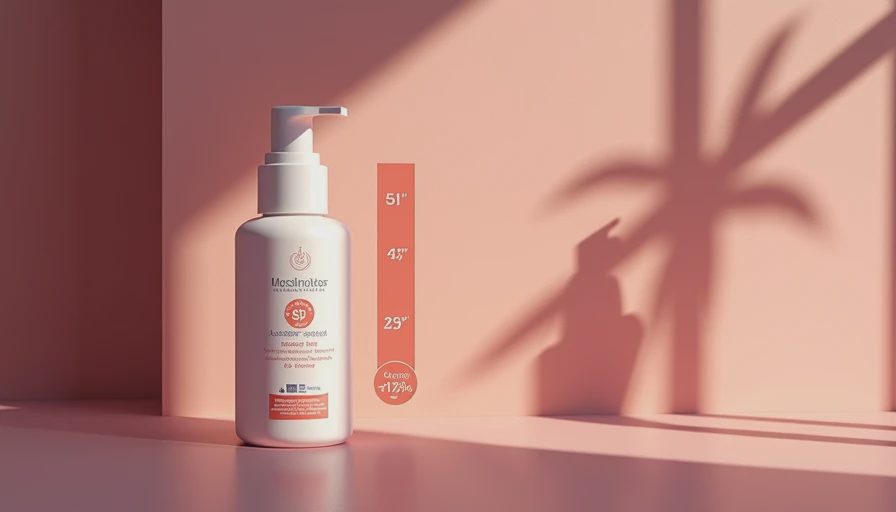
The cost line: what I paid and what I would buy again
This is where I got honest with myself. I do not need a prestige label to get basic daily sun protection and moisture. I need something that shows up every day like a good contractor: on time, not dramatic, and not overcharging me for the privilege. For me, the sweet spot is usually under $20, because that is cheap enough that I will keep using it and not ration it like gasoline.
If a formula is too expensive, I start asking what I am actually paying for. Sometimes it is nicer packaging, sometimes a fragrance I do not need, sometimes a claim that sounds fancy but does not help my face. I would rather spend a little less on the moisturizer and save the money for a separate sunscreen if I know I’m going to be outside all afternoon. That split costs more total, but it makes sense for golf, mowing, or a Chiefs tailgate.
Who should buy it, and when to skip it
If you want one easy morning product and you spend most of your day indoors, a face moisturizer with spf is a solid buy. It keeps the routine short, covers basic sun exposure, and helps with dry skin without turning you into a skincare guy. If you are prone to shine or you hate feeling anything on your face, start with a lightweight, fragrance-free version and see how it sits by noon.
If you work outdoors, sweat a lot, or know you will be in the sun for hours, use this as your starter layer and bring a dedicated sunscreen with you. That is the line I keep in my own routine. For everyday life, I like the one-bottle approach. For heavy sun, I want the stronger tool. If you want a face moisturizer with spf that keeps things simple and gets the job done, buy the plain, broad-spectrum SPF 30 version first and skip the fancy stuff.
Real talk, from the sink.

No notes yet — write the first one.