Razor bumps showed up on my neck long before I admitted I was doing something wrong. I blamed cheap razors, hard Kansas City water, and basically everything except my shaving routine. The truth was less dramatic: I was dragging a dull blade over dry skin, shaving too close, then rubbing the area with an old towel. If your face looks irritated after shaving, you are probably dealing with the same combination of small mistakes.
I am not a dermatologist. I am just a 38-year-old guy in Overland Park testing products at his own bathroom sink. The good news is that you do not need a bathroom shelf full of bottles. A few changes, one useful treatment, and five minutes can make a noticeable difference.
What causes razor bumps in the first place
Razor bumps happen when a shaved hair curls back into the skin or struggles to grow out through the opening of a hair follicle. The result can be a red, itchy, tender bump that looks a lot like a pimple. On my neck, the problem was worse because the hair grows in several directions. I kept chasing a perfectly smooth finish and paid for it the next morning.
A blade that is too dull pulls hair instead of cutting it cleanly. Pressing harder makes the cut even closer, which sounds helpful but often leaves the hair tip below the skin surface. Dry shaving, alcohol-heavy aftershave, and repeated passes over one spot add more irritation. Tight collars and sweaty workouts can keep the area angry, too.
Some men are simply more prone to razor bumps because their facial hair is coarse or curly. That is not a hygiene failure. It is a reason to stop treating your neck like a flat piece of cardboard. The goal is not the closest possible shave. The goal is a clean, comfortable shave that does not make you look like you lost a fight with a cheese grater.
The shave changes that made the biggest difference
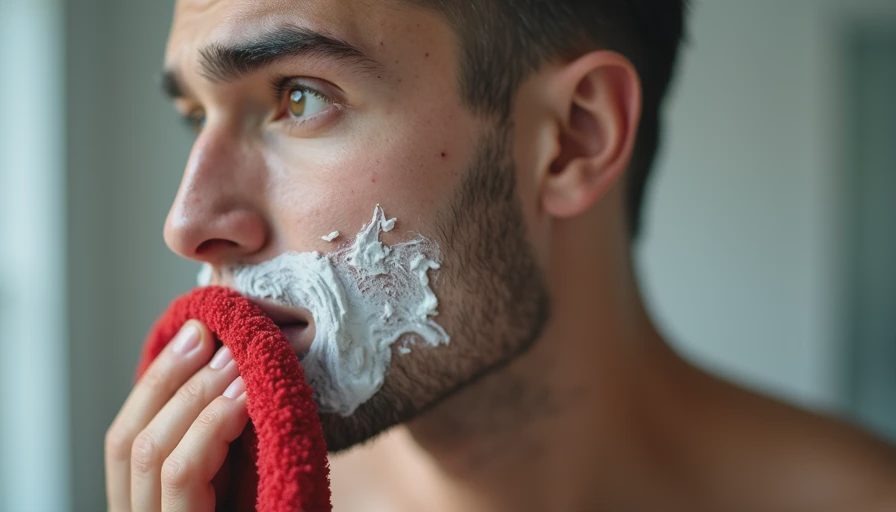
My first useful change was shaving after a warm shower instead of before it. Warm water softens facial hair, so the razor does not need as much pressure. I wash with a basic fragrance-free cleanser, then apply a real shaving cream or gel and let it sit for about a minute. That small pause does more than scrubbing harder ever did.
Next, I shave with the grain, meaning in the direction the hair naturally grows. On my cheeks, that is mostly downward. On my neck, it changes direction, so I use shorter strokes and feel the area with my fingers before starting. I rinse the blade after every stroke and avoid making more than one or two passes over the same patch.
For razor bumps, this was the uncomfortable lesson: a little stubble is better than a week of red spots. I stopped stretching my neck tight and stopped pressing the razor down like I was sanding a tabletop. A single-blade safety razor can work for some people, but I had better results simply replacing my cartridge more often and keeping it dry between shaves.
After shaving, I rinse with cool water and pat dry. No aggressive towel rubbing. No splash of strong cologne-based aftershave. If the skin feels tight, I use a plain moisturizer with ingredients such as glycerin or ceramides. It costs less than the fancy product I bought after watching a grooming video, and it does not sting.
My five-minute routine for calming the skin
When razor bumps are already present, I do not shave over them repeatedly. I give the area a day or two when possible, especially if the bumps are sore. A warm compress for several minutes can soften the skin and make the area feel less irritated. I do not squeeze, pick, or dig at individual hairs with tweezers. That is how a small shaving problem turns into a dark mark or infected follicle.
Once the skin is calm, I use a leave-on exfoliating product two or three nights a week, not immediately after shaving. A product containing salicylic acid can help clear oil and dead skin around follicles. Lactic acid is another option, but I would start with one active ingredient rather than mixing several acids together. My old mistake was buying a strong cleanser, scrub, toner, and treatment in one shopping trip. My face felt like it had been wiped with a kitchen degreaser.
For razor bumps, the simple schedule is enough: shave gently, moisturize, wait until the skin settles, then use a modest exfoliant on non-shaving nights. Patch-test a new product on a small area first. Burning is not proof that a product is working.

Affordable products worth considering
You do not need to spend $60 to improve your shave. CeraVe Hydrating Facial Cleanser is a reasonable basic wash because it does not leave my skin feeling stripped. Vanicream Moisturizing Cream is thicker and useful when the neck feels dry, although it can feel heavy for daytime use. For a lightweight option, CeraVe PM Facial Moisturizing Lotion is easy to spread and works under sunscreen.
For shaving, I have had good results with simple products from Cremo and Aveeno. Choose a formula that gives the blade slip without a strong fragrance. A generic fragrance-free moisturizer from a drugstore can beat a premium aftershave if the expensive one makes your skin sting. Spend your money on a fresh blade and a product you will actually use consistently.
My buying rule is straightforward: one cleanser, one moisturizer, one shave product, and one optional exfoliant. Add nothing else until you know what those four are doing. If the label promises a miracle, leave it on the shelf. The boring product that works every morning is the better deal.
When a bump is more than a shaving problem
Most irritation improves when you stop shaving too close and leave the skin alone. But razor bumps that keep spreading, become very painful, produce pus, or form hard recurring lumps deserve medical attention. A dermatologist can tell the difference between ingrown hairs, folliculitis, acne, and other skin conditions. Do not keep applying stronger acids to a problem that might need a different treatment.
You should also pay attention to dark spots left behind after the bumps disappear. Picking is the fastest way to make those marks last longer. Daily sunscreen on exposed skin helps prevent discoloration from becoming more noticeable. That does not require a complicated routine; a broad-spectrum SPF 30 product in the morning is enough for a practical starting point.
If your neck stays irritated despite changing your technique, consider trimming instead of shaving completely. A beard trimmer set to a short length can give a tidy appearance while leaving enough hair above the skin to reduce curling. I used that approach during a busy basketball season, and nobody at practice cared that my neck was not perfectly smooth.
Should you buy something for razor bumps?
Yes, but buy the boring basics first. A fresh blade, gentle shaving cream, fragrance-free moisturizer, and one mild exfoliating product are a better plan than a drawer full of aggressive treatments. Give the routine several weeks of consistent use instead of changing products every other day.
My practical verdict is simple: change the shave before buying another serum. Go with the grain, use less pressure, make fewer passes, and stop picking. If you still have razor bumps after making those changes, trim shorter rather than shaving closer and book a dermatology visit if the skin is painful or repeatedly infected.
Real talk, from the sink: smooth is not worth miserable skin. The best routine is the one that leaves you looking put-together for work, dinner, or coaching youth basketball without demanding a science project every morning.





No notes yet — write the first one.