If you are searching for how to get rid of razor bumps, you probably already know the frustrating part: the bumps show up after you tried to look more put-together. I have been there, standing at my bathroom sink before work with a red neck, a dull razor, and the bad idea that shaving harder would somehow fix everything. It did not. Real talk, from the sink: razor bumps usually improve when you stop attacking the skin and make shaving less aggressive.
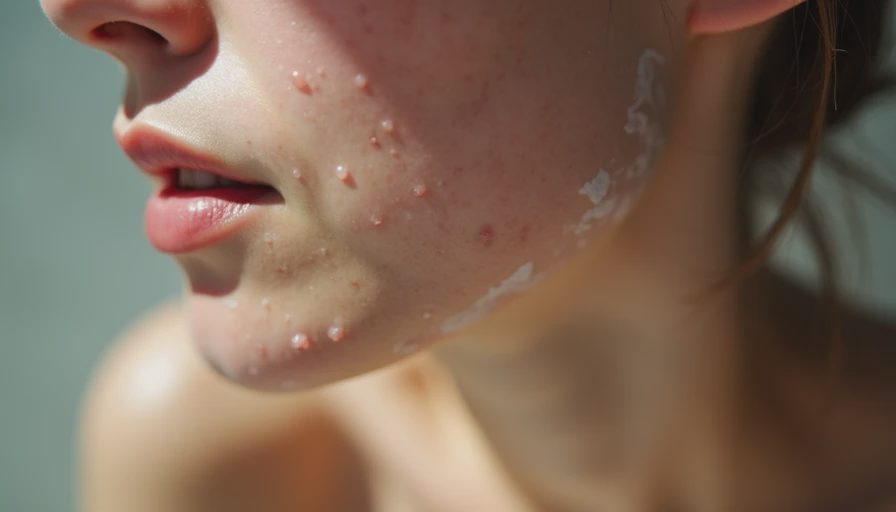
Razor bumps often happen when shaved hairs curl back into the skin, causing small irritated bumps. They are common around the neck and jaw because hair grows in different directions there. A few changes can make a bigger difference than buying a shelf full of products.
Start by Giving Your Skin a Break
The fastest way to make irritation worse is to shave over it repeatedly. If your schedule allows, take two or three days off from a close shave. Use an electric trimmer with a guard instead, leaving a little stubble. That gap gives irritated skin a chance to settle instead of creating fresh cuts every morning.
Do not squeeze, scratch, or dig at the bumps with tweezers. I know the temptation. I once treated my neck like I was removing a splinter from a piece of wood, and the result was more redness and a couple of dark marks that lasted longer than the original problem. Picking can damage the skin and spread bacteria from your fingers.
Wash the area with lukewarm water and a gentle cleanser. Skip hot water, rough washcloths, and gritty scrubs for now. A basic fragrance-free cleanser from CeraVe, Vanicream, or La Roche-Posay is enough. You do not need a face wash that leaves your skin squeaky. Squeaky usually means stripped.
Change the Way You Shave
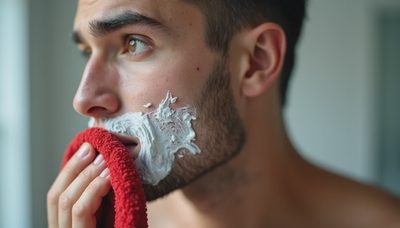
Learning how to get rid of razor bumps starts with changing the shave itself. First, soften the hair with warm water for a few minutes, preferably during or after a shower. Apply a plain shaving cream or gel and let it sit for about a minute. That small pause helps the razor move over the hair instead of scraping dry skin.
Use a sharp, clean razor. A cartridge with five blades is not automatically better; some people get less irritation from a basic two-blade razor or an electric foil shaver. Replace disposable or cartridge blades when they tug, feel rough, or show rust. The exact number of shaves depends on your hair and storage, but forcing a tired blade is false economy.
Shave in the direction your hair grows, especially on the neck. This may not produce an ultra-close finish, but it can reduce the chance that the cut hair retracts beneath the skin. Use short, light strokes and rinse the blade after each pass. Do not stretch the skin tight, and do not keep passing over one spot because you can still see a little shadow.
Afterward, rinse with cool water and pat dry. Apply a simple, fragrance-free moisturizer. A product with glycerin or ceramides can help support the skin barrier without turning your routine into a chemistry project. Avoid aftershave splash containing a lot of alcohol if it burns; that sting is not proof that it is working.
Use One Helpful Treatment, Not Five
If you are figuring out how to get rid of razor bumps, a leave-on exfoliant can help prevent trapped hairs, but timing matters. Salicylic acid can loosen oil and dead skin around the follicle. Glycolic acid can also exfoliate, although it may feel harsher on freshly shaved skin. Start with one product two or three nights per week, never immediately after shaving if your skin is already burning.
A product such as a low-strength salicylic acid lotion or cleanser is a reasonable starting point. Follow its label and stop if you develop significant burning, swelling, or a rash. Do not combine it right away with retinoids, strong acne treatments, alcohol-heavy aftershave, and a rough scrub. I made this mistake with a salicylic acid cleanser and assumed the tight, hot feeling meant clean skin. It meant I had overdone it.
For a simple routine, cleanse gently, shave less closely, moisturize, and add one exfoliating treatment on non-shaving nights. That is enough to test whether the plan works before spending $40 on a product with a dramatic label.
A Five-Minute Routine for the Next Shave
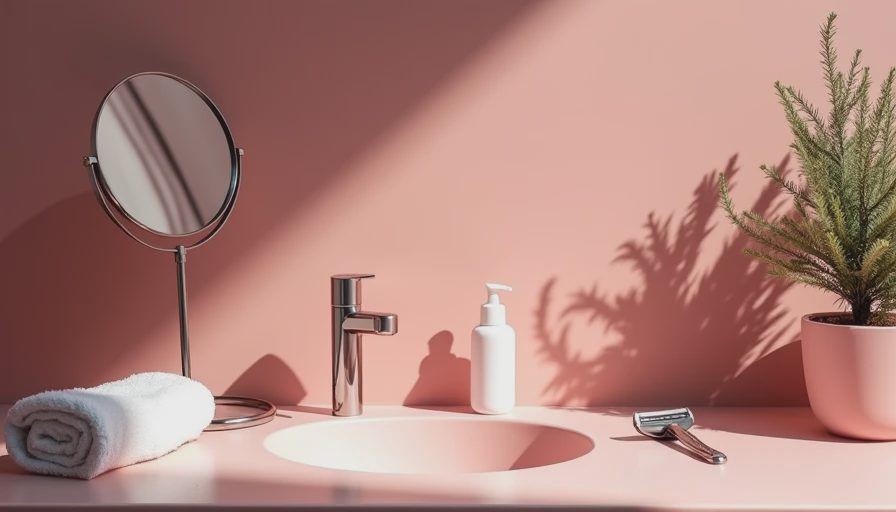
Here is the routine I would use before a workday or a youth basketball practice. Wash your face with lukewarm water and a gentle cleanser. Let warm shower water soften the beard. Apply shaving cream and wait one minute. Shave with the grain using light pressure and as few passes as possible. Rinse, pat dry, and apply moisturizer.
At night, cleanse again if you used sunscreen or were sweating. On two non-shaving nights, apply a small amount of your chosen salicylic acid product, then moisturize. On the other nights, just moisturize. Change your pillowcase regularly and avoid rubbing the freshly shaved area against a dirty towel. These are boring steps, but boring steps are often cheaper and more repeatable than a miracle product.
Take a quick photo before starting and another after two weeks, using similar lighting. Daily mirror checks can make small changes hard to notice. If the bumps are fewer, less tender, and fading faster, the routine is doing its job.
When Home Care Is Not Enough
How to get rid of razor bumps is not always a do-it-yourself question. See a dermatologist or other qualified clinician if bumps are painful, filled with pus, spreading, leaving thick scars, or continuing despite several weeks of gentler shaving. Persistent irritation can sometimes be folliculitis, acne, eczema, or another condition that needs different treatment.
Also get medical advice before using stronger prescription products, especially if you have very sensitive skin or take medication that affects healing. Do not put household disinfectants, undiluted essential oils, or harsh alcohol on your face. Those shortcuts can create a second problem while you are trying to solve the first.
A clinician may discuss prescription creams, different shaving methods, or longer-term hair-removal options. Laser hair removal can reduce hair growth for some people, but it is a professional treatment with cost, multiple appointments, and possible side effects. It is not the first step for an occasional bump.
The Sink-Level Bottom Line
The practical answer to how to get rid of razor bumps is less pressure, fewer passes, cleaner tools, and a little patience. Stop shaving over angry skin, use a sharp razor, follow hair growth, moisturize, and introduce only one exfoliating product at a time.
My buy-it advice is simple: buy a decent gentle cleanser, an affordable fragrance-free moisturizer, and a shaving product that lets the razor glide. Skip the crowded cabinet and the macho idea that burning means better grooming. Your face is not a truck part that needs more force to work properly. Treat it like a good contractor: steady, basic, and not overcharged.
If your bumps keep returning, do not keep escalating the experiment at the sink. Get professional advice and find out what you are actually treating. That is how to get rid of razor bumps without trading them for peeling, dark marks, or a face that hurts every morning.




No notes yet — write the first one.