If you searched for for men tax skincare, you probably wanted straightforward skincare for men and not a bathroom cabinet full of tiny bottles. I understand. I am Nick, a 38-year-old dad in Overland Park, Kansas, and I am just a guy testing products at his own bathroom sink. I started because my wife, Anna, said my face looked tired. She was right. I responded by buying five random products at Target and irritating my skin within a week.
The good news is that skincare does not need to become a hobby. A useful routine can take three to five minutes and cost less than one dinner out. You need a gentle cleanser, a basic moisturizer, and sunscreen. That is the whole starting lineup. Real talk, from the sink.
What men’s skincare actually needs
The phrase for men tax skincare sounds like a scrambled search, but the underlying question is familiar: what should a man buy without wasting money? Start with the job each product performs.
A cleanser removes sweat, oil, sunscreen, and the grime that collects on your face during a workday. It should not leave your skin feeling tight or squeaky. That tight feeling is not proof that it is working. It usually means the cleanser is too harsh for daily use. CeraVe Hydrating Facial Cleanser is a sensible option for normal to dry skin, while La Roche-Posay Toleriane Purifying Foaming Cleanser can suit someone who gets oilier around the forehead and nose.
Moisturizer helps reduce dryness and supports the skin barrier. Look for ingredients such as ceramides, glycerin, or hyaluronic acid. You do not need a product marketed specifically to men. A blue bottle with a mountain on it is not automatically better than a plain white bottle.
Sunscreen is the step I ignored longest. Use broad-spectrum SPF 30 or higher on exposed skin in the morning. Neutrogena, Eucerin, CeraVe, and La Roche-Posay all make widely available facial sunscreens. Pick one you will actually apply instead of the supposedly perfect formula that sits unopened in a drawer.

My five-minute morning routine
When someone searches for men tax skincare, I would rather give them a routine they can repeat than a list of 20 ingredients. Here is what I do before getting the kids ready for school.
First, rinse with lukewarm water and use a nickel-sized amount of cleanser. Massage it over your face for about 20 seconds, including the sides of your nose and along the beard line. Rinse completely and pat dry. Do not scrub like you are cleaning a cast-iron pan.
Second, apply moisturizer while your skin is still slightly damp. A dime-sized amount is usually enough for the face and neck. If your skin feels greasy after ten minutes, you used too much or chose a heavier formula. If it feels tight, add a little more or try a richer moisturizer at night.
Third, apply sunscreen as the final morning step. Two finger-length amounts is a practical visual guide for the face and neck, though exact application depends on the product and your face size. Let it settle before putting on a collar or heading outside. Since I coach youth basketball and spend time near the grill, this matters more than I expected.
At night, cleanse again and moisturize. You can skip the morning cleanser if your skin is dry and you did not sweat much overnight. Consistency beats intensity here. A basic routine used for three months will teach you more than six new products used for three days.
Where I wasted money
My first mistake was assuming expensive meant effective. I spent about $60 on a prestige moisturizer because the packaging looked serious. It pilled under sunscreen, smelled too strong, and did nothing that my $12 drugstore moisturizer could not do. That was an expensive lesson in marketing.
The next mistake was adding salicylic acid cleanser every morning because I had a few clogged pores. My face became red and uncomfortable. Salicylic acid can be useful for acne-prone skin, but more is not always better, especially if you combine it with shaving, dry weather, or other active ingredients.
The for men tax skincare search also brings up plenty of “men’s” products priced higher simply because they use darker packaging and words like rugged or performance. Some are good. Many are ordinary cleansers with a higher price. Compare the ingredient list, bottle size, and how your skin feels after two weeks. Packaging is not a clinical result.
If you want to test an active ingredient, add only one. Try it two or three nights per week, use moisturizer, and stop if you develop persistent burning, swelling, or a rash. I am not a dermatologist, and stubborn acne or painful skin deserves professional advice rather than another late-night shopping decision.
A practical budget for the routine
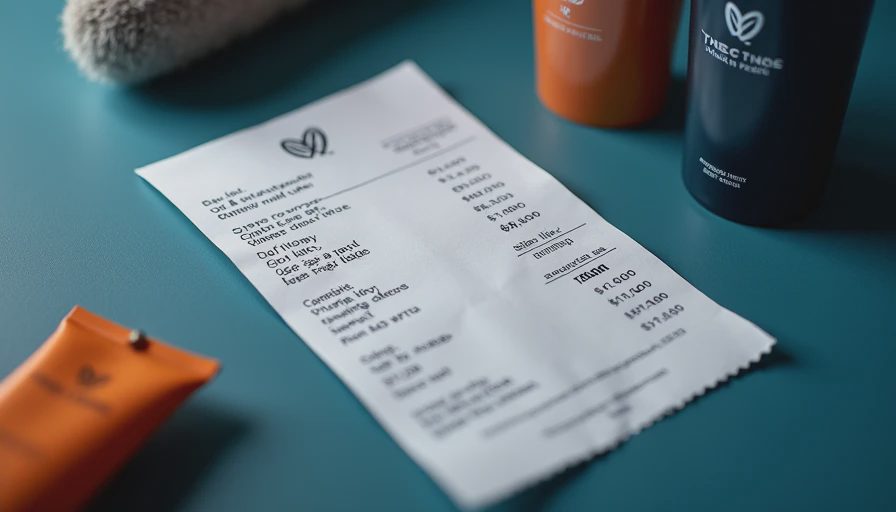
You can build a functional starter setup for roughly $25 to $45. A cleanser might cost $8 to $15, moisturizer $10 to $18, and sunscreen $10 to $18. Prices change, but you do not need to spend $100 to get started.
For a dry-skin setup, pair a gentle cream cleanser with a moisturizer containing ceramides and a comfortable SPF 30 facial sunscreen. For oilier skin, use a gentle foaming cleanser and a lightweight, noncomedogenic moisturizer. Noncomedogenic means the product is formulated to be less likely to clog pores; it is not a guarantee that every face will love it.
If shaving is part of your routine, avoid applying strong acids immediately after a close shave. Rinse with cool water, use a simple moisturizer, and give your skin a break. Fragrance-free products are often a smart starting point if your face stings easily.
The cost line is simple: buy one product per category, finish it, and judge the result. Buying backups before you know whether a product works is how bathroom shelves turn into a small retail store.
Questions beginners usually ask
Can I use body soap on my face? You can, but it is not my first choice. Many bar soaps are more drying than a facial cleanser. A $10 cleanser is a cheap upgrade if your face feels tight after washing.
Do I need eye cream? Usually not at the beginning. A small amount of your regular moisturizer can be applied around the orbital bone, keeping it out of your eyes. If you have a specific concern, ask a dermatologist instead of buying a tiny jar because the label promises miracles.
What about wrinkles? Daily sunscreen is the most useful prevention step. Moisturizer can make dry lines look less obvious, but it cannot erase time. Retinoids can help some people, yet they can also cause irritation and deserve a slower introduction.
How long should I test a product? Give a basic moisturizer or cleanser at least two weeks unless it causes irritation. Acne treatments often need longer. Change one variable at a time so you know what helped and what caused trouble.
Should you buy a men’s skincare kit?
The best for men tax skincare approach is not automatically a boxed kit. Buy a kit if it contains a gentle cleanser, plain moisturizer, and broad-spectrum sunscreen at a fair price. Skip it if it includes a scrub, heavily scented aftershave, and four mystery serums you cannot explain.
My recommendation is to start with three products from a drugstore or major retailer. Take a quick photo before you begin, use the routine consistently, and compare after 30 days in similar lighting. You are looking for less tightness, fewer irritated patches, and a more even, rested appearance—not a new face.
For men tax skincare does not need to be complicated, expensive, or embarrassing. Start small, read the labels, and give the routine enough time to work. Buy the cleanser, moisturizer, and sunscreen. Skip the drawer full of promises. That is the sink-level answer.

No notes yet — write the first one.