The Honest Starting Point
I did not grow a serious beard until my mid-thirties. Before that I mostly kept things short and clean with a regular razor. When I let it grow out for a while, the same problems showed up that a lot of guys mention: dry, wiry hairs, itch during the early weeks, and a general “unkempt” look even when it was trimmed.
Beard oil kept coming up as the fix. Some guys talked about it like it was mandatory. Others said it was pure marketing. I bought a basic bottle, used it consistently, and paid attention to what actually changed.
This is the no-nonsense version of what it does and whether you need it.
What Beard Oil Is Actually Doing
Beard oil is mostly a mix of carrier oils (like jojoba, argan, or grapeseed) sometimes with a small amount of fragrance or essential oils. It is not a miracle growth product. It does not make the beard thicker or fill in patchy spots. What it does is simple:
Softens the hair so it feels less wiry and looks less dry
Adds a bit of light moisture and shine so the beard does not look dull or brittle
Can reduce surface itch by keeping the hair and the skin underneath from getting too dry
Makes the beard easier to comb or brush without snagging
That is the practical list. Everything else you see in marketing is usually extra.
If your beard already feels soft, looks healthy, and does not itch, you may not notice a big difference. If it feels like steel wool or gets flaky and itchy, oil is one of the easiest improvements you can make.
Who Actually Benefits
Guys in the early growth phase (the itchy weeks) usually feel the biggest change. The oil helps the new hairs lie better and keeps the skin underneath from drying out as much.
Guys with longer or coarser beards often like the softening and the light shine. It takes the “rough” edge off without making the beard look wet or greasy if you use the right amount.
Guys who keep a very short stubble may not need it at all. A regular moisturizer on the skin is usually enough at that length.
I fall into the medium-length, somewhat coarse category. The difference was noticeable but not dramatic—better texture, less dry look, easier to manage.
How to Use It Without Making a Mess
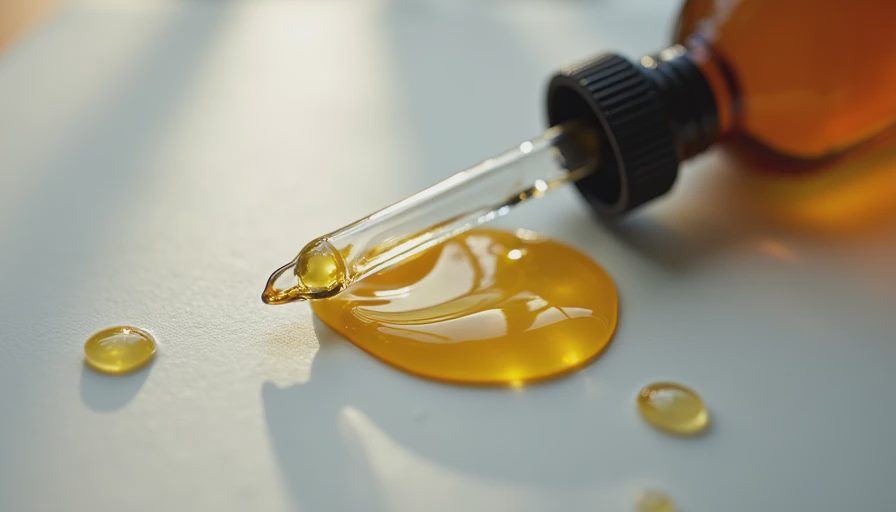
Less is more. Start with three to five drops in the palm of your hand, rub together, then work it through the beard from the skin outward. Focus on getting some down to the skin, not just coating the outer hairs.
Do this once a day, usually after a shower when the beard is clean and slightly damp. If your beard is shorter, you may only need two or three drops. If it starts looking shiny or greasy, you used too much. Wipe a little off and use less next time.
You do not need to wash it out every day. Most of it absorbs or wears off naturally.
What I Look for in a First Bottle
Skip the ones with long lists of exotic ingredients and heavy perfume scents. You want a simple oil that feels light, absorbs reasonably well, and does not smell like a candle shop.
A good starter is a basic jojoba- or argan-based oil with minimal fragrance or a very light scent. These tend to be close to the skin’s natural oils and do not go rancid quickly. You can find solid options in the fifteen-to-twenty-five-dollar range that last a long time because you use so little per day.
I tested a couple. The simple ones performed just as well as the more expensive, heavily marketed bottles for softening and reducing the dry look. The extra money mostly bought fancier packaging and stronger scent.
The Common Mistakes
Using too much is the biggest one. A greasy beard looks worse than a dry one to most people. Start low.
Expecting it to fix patchiness or speed up growth is the other common mistake. It will not. Genetics and time handle that. Oil only improves the hair that is already there.
Buying the scented “beard cologne” versions first can also backfire. Strong fragrance gets old fast when it is sitting on your face all day. Start unscented or lightly scented and add fragrance later if you want it.
My Current Take
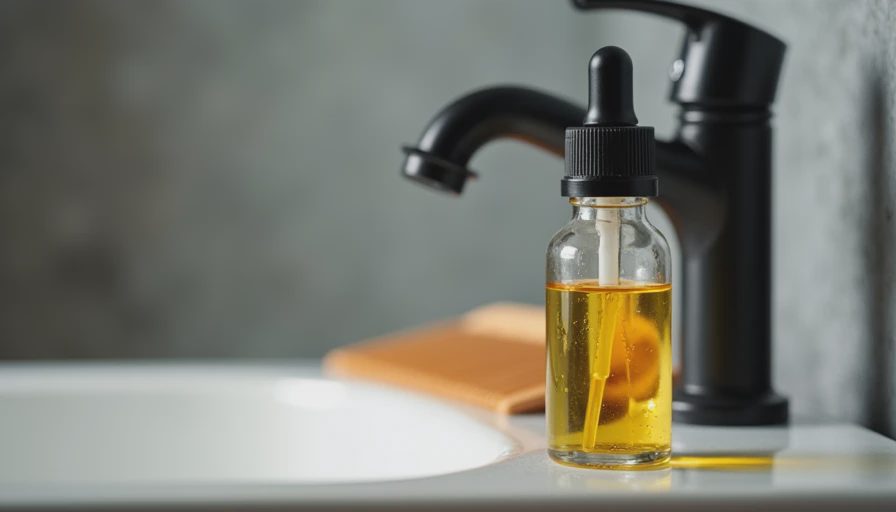
I keep a basic beard oil on the sink and use it most days when my beard is past the stubble stage. It is not the most important product in my routine, but it is one of the more useful ones for the specific job of making the beard look and feel better cared for.
If you are just starting to grow one and dealing with itch or wiry texture, try a simple bottle for two weeks. Use a few drops a day and see if the feel and appearance improve. If nothing much changes, you can stop without having spent much.
Real talk, from the sink: beard oil is a tool, not a requirement. It softens, adds light moisture, and makes the beard easier to live with. It does not transform genetics or replace basic washing and trimming. Buy a straightforward one, use a small amount, and judge it by how your beard actually feels after two weeks—not by the story on the label.
That is the whole decision process.




No notes yet — write the first one.