The first time I searched for a non comedogenic moisturizer, I was standing in Target with dry cheeks, an oily forehead, and no idea what half the label meant. I had already burned my face with a salicylic acid cleanser, so I was not eager to add another mystery product. I wanted something simple that would not leave my skin greasy or clog my pores. That is still the basic test I use at my bathroom sink.
A moisturizer does not need to feel fancy to be useful. It needs to reduce tightness, support your skin barrier, and sit comfortably under sunscreen. Non comedogenic usually means a product is formulated to be less likely to clog pores. It is not a guarantee that every person will tolerate it perfectly, but it is a sensible starting point if you deal with blackheads, breakouts, or an oily T-zone.
What non comedogenic actually means
The phrase sounds more official than it is. There is no single universal testing method that makes every non comedogenic label identical. Brands use the term to describe formulas designed with pore-clogging concerns in mind, often using lighter textures and ingredients selected for better skin compatibility. Your own skin can still react differently from someone else's.
A non comedogenic moisturizer is not automatically oil-free, fragrance-free, or designed only for acne-prone skin. Those are separate details. CeraVe PM Facial Moisturizing Lotion, Vanicream Daily Facial Moisturizer, and Neutrogena Hydro Boost Water Gel are common examples people consider when they want a lighter face moisturizer. Their textures and ingredient lists are different, so reading the package still matters.
Look for words such as glycerin, hyaluronic acid, ceramides, and niacinamide. Glycerin and hyaluronic acid help attract water to the skin. Ceramides help support the skin barrier. Niacinamide can be useful for an uneven-looking or oily complexion, although sensitive skin does not always love every formula. You do not need all four. One product that feels comfortable beats a shelf full of ingredients you cannot pronounce.

How I tested a non comedogenic moisturizer at my sink
I stopped changing three products at once because that made every breakout impossible to explain. My current method is boring on purpose. I wash with a gentle cleanser, pat my face mostly dry, and apply a small amount of moisturizer. In the morning, sunscreen goes on afterward. At night, moisturizer is the last step unless I am using a treatment recommended by a professional.
For the first several days, I use the product on one side of my face or keep the rest of my routine unchanged. That is not a laboratory patch test, and it will not predict every reaction, but it gives me a better read than randomly adding a new cleanser, serum, and cream on the same weekend. I watch for burning, persistent redness, itching, unusual bumps, and extra oil.
The amount matters too. I used to scoop out far too much and then blame the product for looking shiny. For most lightweight lotions, a nickel-sized amount is plenty for the face and neck. If your skin still feels tight after ten minutes, add a little more rather than applying a thick layer all at once.
Choosing the right texture for your skin
If your face gets shiny by lunchtime, start with a lotion or gel cream. A non comedogenic moisturizer with a light finish can give your skin water without feeling like you spread shortening on your cheeks. Neutrogena Hydro Boost is a familiar gel option, while CeraVe PM has a more lotion-like feel and includes ceramides and niacinamide. Neither is automatically best for everyone; texture is personal.
If your skin flakes after shaving or feels tight in winter, a richer lotion may work better. Vanicream Daily Facial Moisturizer is worth considering if fragrance bothers you or your skin tends to react to complicated formulas. A richer product is not the enemy. The mistake is using a heavy body cream on your face because it was already sitting in the bathroom cabinet.
Combination skin is where many beginners overthink things. Use a thin layer across your face, then add a little extra to dry areas if needed. You do not need separate products for your forehead, nose, cheeks, and chin. Your face is not a procurement spreadsheet, even though I tried treating mine like one.
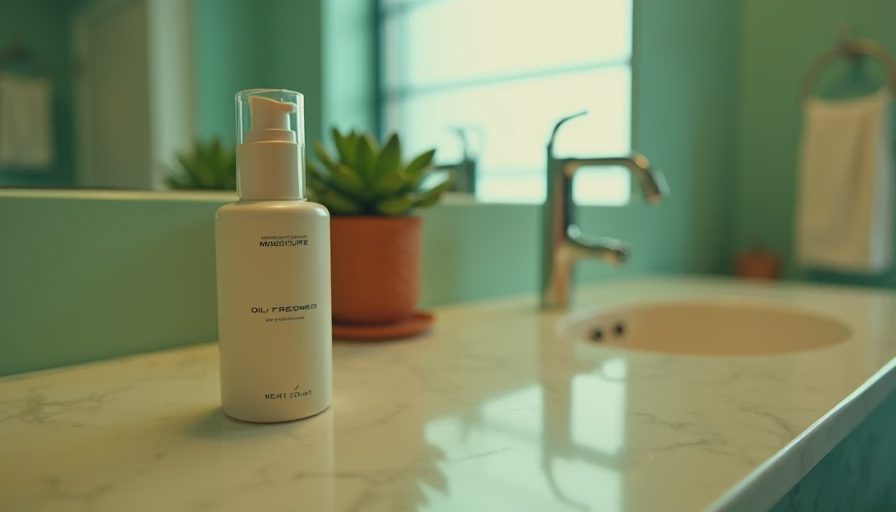
Ingredients and habits that can make a difference
A non comedogenic moisturizer cannot cancel out every other part of your routine. If you scrub hard, shave with a dull razor, or wash your face with hot water, even a well-formulated lotion may seem useless. Use lukewarm water, a gentle cleanser, and clean hands. Pat instead of rubbing like you are drying a truck after a wash.
Fragrance is not automatically bad, but it is an easy feature to remove when your skin is irritated. Essential oils and strong scent blends can also be annoying for sensitive users. If your face stings after application, rinse it off and stop testing that product. A little temporary tingling is not a badge of honor, and skincare should not feel like a punishment.
Do not confuse a moisturizer with sunscreen. In the morning, use a separate broad-spectrum sunscreen rated SPF 30 or higher, or choose a moisturizer that clearly includes that protection and apply enough. Sunscreen helps protect against ultraviolet exposure; moisturizer mainly handles hydration and barrier support. They are different jobs, like a seat belt and an oil change.
My budget picks and what they cost
You can usually find a useful non comedogenic moisturizer for about $10 to $25 at a drugstore or big-box retailer. CeraVe, Vanicream, and Cetaphil offer practical options in that range. Prices shift with size and promotions, but you do not need to spend $60 to get a reasonable daily lotion.
I spent more than that on a stylish jar once because the packaging made it look like I was buying a solution instead of cream. It was heavily scented, felt slick, and did nothing my cheaper lotion could not do. That was a procurement failure with a bathroom mirror attached. Expensive ingredients are not automatically better for your face.
The smart buy is the product you will use consistently. If a gel feels better in hot Kansas City summers, buy the gel. If your cheeks crack during a cold January, use a richer lotion then. Skin changes with weather, shaving, and indoor heating, so a seasonal adjustment is reasonable without turning your routine into a hobby.
Should you buy one?
Yes, if your face feels dry after washing, gets oily from heavy creams, or breaks out when you use random products. Start with a fragrance-free or lightly scented formula, apply a small amount once daily, and give it at least several days before judging the texture. If you develop painful acne, swelling, severe irritation, or a rash, stop and talk with a dermatologist rather than buying another product.
For most beginners, my practical pick is a non comedogenic moisturizer from CeraVe, Vanicream, or Cetaphil, chosen by texture and skin comfort rather than internet hype. Buy the smallest available size if you are unsure. That keeps a $12 experiment from becoming another $60 bathroom mistake.
Real talk, from the sink: you need a cleanser, a moisturizer, and sunscreen. Start there. A non comedogenic moisturizer is not magic, but the right one can make your face feel less tight, look less greasy, and help you stick with a routine that takes about two minutes.


No notes yet — write the first one.