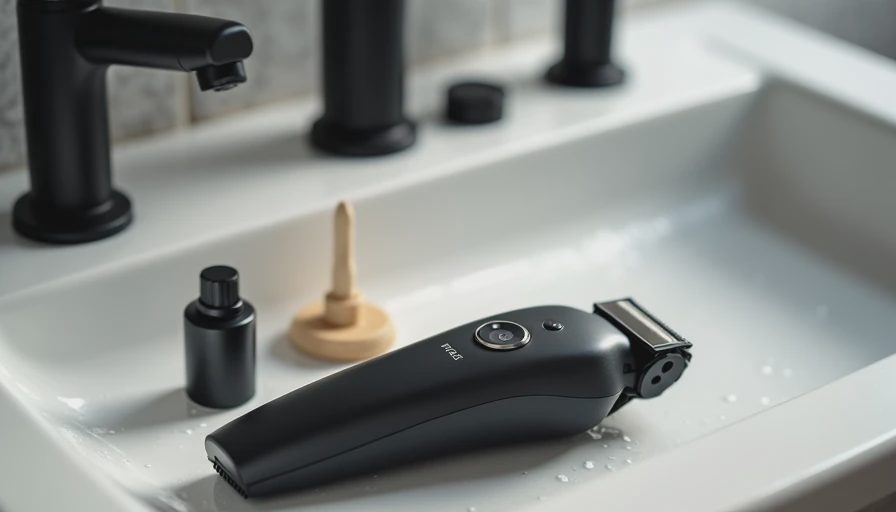
The Tool That Refused to Quit
Most grooming tools get replaced when they start pulling, slowing down, or looking beat up. This electric trimmer has lasted through four years of weekly use, travel, and the usual bathroom abuse. It still cuts cleanly, holds a charge reasonably well, and has not developed the problems that usually send these things to the drawer of dead electronics.
I did not buy it expecting a long-term relationship. I bought it because I needed something that could handle beard outlining, neck cleanup, and the occasional quick hairline tidy without a full barbershop visit. Four years later it is still the one I reach for.
What I Actually Use It For
Cleaning up the neck and cheek lines on the beard
Keeping the mustache and lower cheek area neat
Occasional hairline touch-ups between haircuts
Quick travel maintenance when I do not want to pack a full razor setup
I am not using it as a full head shaver or for precision sculpting. It is a maintenance tool. That lighter duty cycle is probably part of why it has lasted.
Performance After Four Years
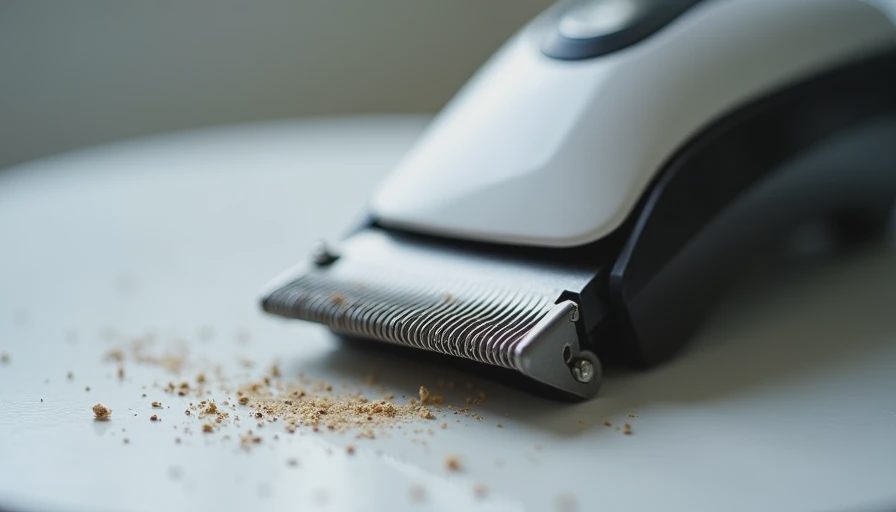
The blades still cut without pulling. That is the first thing that usually goes on cheaper trimmers. This one has stayed consistent. I oil the blades occasionally and knock the hair out after each use. That basic care seems to be enough.
Battery life has declined a little, as expected. It used to run longer on a full charge. Now I charge it more often, but it still gets me through several sessions without dying mid-cleanup. For home use that is acceptable. For longer trips I bring the cord.
Noise and vibration are about the same as when it was new. No grinding sounds or loose parts. The body has some scuffs from being tossed in a dopp kit, but nothing that affects function.
What Has Held Up and What Has Not
Held up well:
Blade sharpness and cutting consistency
Overall build quality
The ability to do clean lines without a lot of effort
Normal wear:
Battery runtime is shorter than year one
Exterior shows cosmetic scratches
The charging contacts needed a wipe-down a couple of times to stay reliable
Nothing has broken. No plastic pieces snapped. No sudden decline in cutting power. That is rarer than it should be with mid-range electric trimmers.
Care Habits That Probably Helped
I brush the hair out of the blades after every use. I add a drop of oil when the cutting starts to feel less smooth. I do not drop it in water or leave it in a humid shower area. I store it in the same drawer or dopp kit instead of letting it rattle around loose.
None of that is complicated. It is just the minimum maintenance most of us skip until the tool starts failing. Doing it consistently seems to have paid off.
When I Would Replace It
If the blades start pulling hair, if the battery dies after one short session, or if a critical part breaks, it goes. Until then I see no reason to spend money on a replacement that might not last as long. Newer models with more attachments and digital displays do not solve any problem I currently have.
I am not loyal to the brand for emotional reasons. I am loyal to the fact that this one is still doing the job cleanly after four years of real use.
The Practical Takeaway
A good electric trimmer does not need to be the most expensive option or the one with the most combs in the box. It needs to cut cleanly, survive regular use, and not become a chore to maintain. This one cleared that bar longer than I expected.
If you are buying a trimmer for the same kind of maintenance work—beard lines, neck cleanup, basic touch-ups—look for solid blade performance and a simple design over flashy features. Then treat it with basic care and see how long it actually lasts.
Real talk, from the sink: most of these tools are treated as disposable. This one has refused to be disposable. Four years in, it is still the first thing I grab when the beard line needs cleaning up. That kind of quiet reliability is worth more than most of the new features companies keep adding.
I will keep using it until it forces me to stop. So far it has not.




No notes yet — write the first one.