The best razor for men is not automatically the one with the most blades, the loudest commercial, or the highest price tag. I learned that after buying a five-blade cartridge system that cost more than my first decent chef's knife and still left my neck looking like I had argued with a cheese grater. I'm just a guy testing products at his own bathroom sink, so this is not a laboratory ranking. It is what happened during normal weekday shaves before work, school drop-off, and youth basketball practice.
Real talk, from the sink: the right razor depends on how often you shave, how tough your beard is, whether your neck gets irritated, and how much attention you want to give the process. A $10 disposable can work better than a $30 handle if it suits your skin and you replace it before it becomes dull.
What Makes a Razor Actually Good?
A useful razor should cut close without making the next day miserable. That means a sharp, stable blade, a handle you can control, and a head that can follow the angles around your jaw without requiring wrestling skills. Lubrication helps, but a slippery gel strip cannot rescue a dull cartridge or too much pressure.
For most beginners, I would start with a quality cartridge razor rather than a traditional safety razor. Gillette Mach3 and Schick Hydro systems are familiar, easy to find, and simple to rinse. The Gillette SkinGuard is worth a look if bumps and irritation are your main problems because it is designed with fewer exposed blades and a guard between the blades and skin. It may not deliver the closest possible shave, but close is not the only goal. Looking presentable without red stripes on your neck counts too.
The best razor for men with sensitive skin usually has fewer moving parts and fewer passes. Shave after a warm shower, use a basic fragrance-free shaving cream, and let the razor do the work. Pressing harder does not make the blade sharper. It only makes your face pay for your impatience.
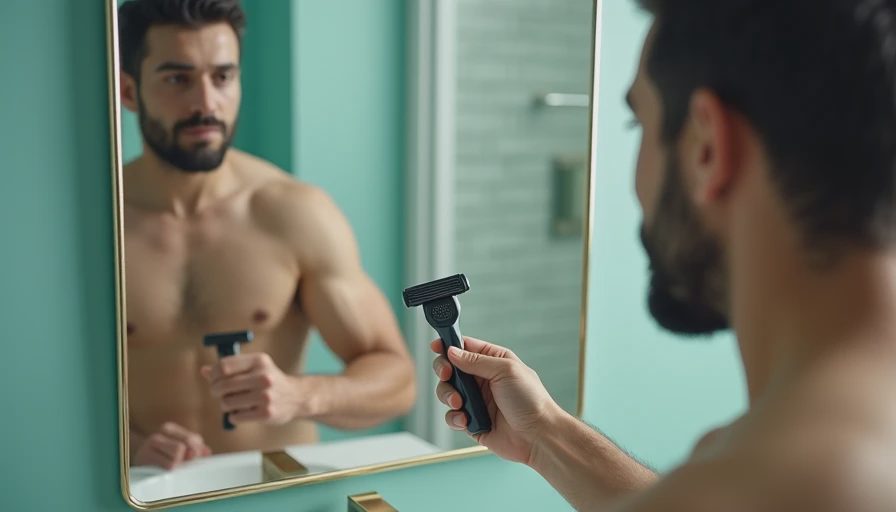
Cartridge, Safety, or Electric?
Cartridge razors are the easiest starting point. They are quick, forgiving, and available at nearly every grocery store and Target. Their downside is ongoing cost. Replacement cartridges can run roughly $15 to $30 for a multipack, depending on the brand and model. If you shave five days a week, those costs add up faster than the handle price suggests.
A double-edge safety razor can lower long-term blade costs. Packs of blades often cost less than $10, and a solid handle from brands such as Merkur, Edwin Jagger, or Rockwell can last for years. However, a safety razor rewards patience. The angle matters, the blade is less forgiving, and rushing around the chin can produce small cuts. I would not make one your first choice on a Monday morning when you are already late.
Electric razors are convenient for dry shaving, travel, and stubble maintenance. Braun Series 7 and Philips Norelco models are common choices, with different designs for foil or rotary shaving. Foil models often suit men who shave in straight strokes and want a fairly close result. Rotary models can work well for a face with several growth directions. Electric shaving usually costs more up front, but it avoids buying cartridges every few weeks.
For me, a cartridge wins when I want the closest result before a meeting. An electric shaver wins when I have five minutes before coaching basketball. Neither option is universally superior; the best razor for men is the one they will use correctly and replace on time.
My Simple Test at the Sink
I judge a razor using four questions. First, does it cut through a two-day beard without tugging? Second, can I rinse hair and cream from the head quickly? Third, does my neck stay calm for the rest of the day? Fourth, does the replacement cost make sense after three months?
My test starts with warm water and a small amount of shaving cream. I shave with the grain on my cheeks, use shorter strokes around the jaw, and avoid repeatedly scraping the same patch. After rinsing, I pat dry rather than rubbing with a towel. A plain moisturizer follows. No toner, no twelve-step routine, and no product that smells like a hotel lobby.
The best razor for men should pass this test without demanding a new personality. If a cartridge needs six passes over every area, it is probably dull, clogged, or wrong for your beard. If an electric shaver leaves obvious patches, slow down and use shorter strokes before blaming the machine.
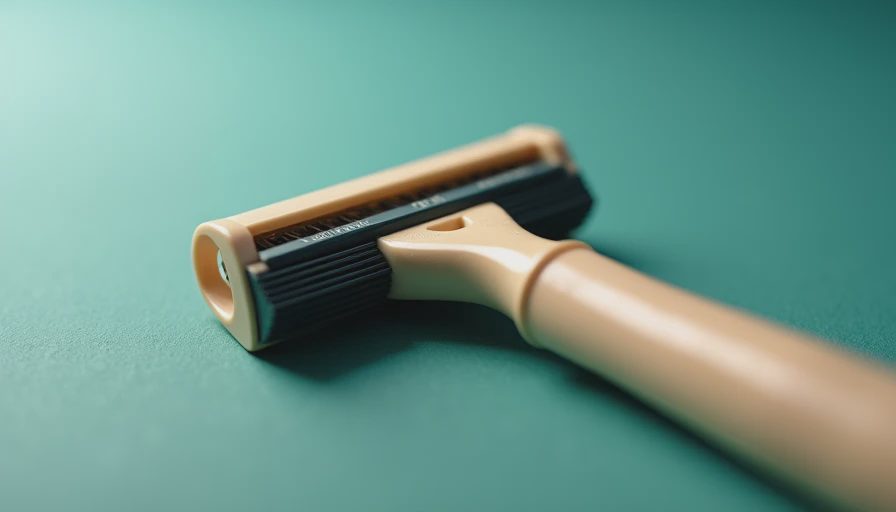
Three Picks for Different Guys
For the average daily shaver, I would start with the Gillette Mach3. It is not exciting, but that is part of its strength. The handle is easy to control, replacement cartridges are widely available, and three blades are enough for many faces. Buy it if you want a dependable, familiar cartridge without chasing every new feature.
For irritation-prone skin, the Gillette SkinGuard is the safer experiment. Its design favors comfort over an ultra-close finish, so you might see a little shadow sooner. That is a reasonable trade if your neck normally develops bumps after shaving. Use light pressure and replace the cartridge when it begins tugging. Buy it if reducing irritation matters more than looking freshly polished all day.
For a low-maintenance routine, consider the Braun Series 7 electric shaver. It is a bigger purchase than a disposable razor, but it can be practical for men who shave quickly, travel often, or dislike shaving cream. Clean the head as directed and keep it charged. Buy it if convenience is your priority and you can accept a slightly different finish from a wet shave.
A double-edge razor is my value pick for someone willing to learn. The blades are inexpensive and the hardware can last a long time. Still, do not buy one expecting instant savings and a perfect shave on day one. There is a learning curve, and your first few attempts may take longer.
How to Get Fewer Nicks and Bumps
Wash your face first, but do not scrub aggressively. Hold a warm, damp washcloth against the beard for 30 seconds if you are not showering. Apply cream and wait another minute before starting. That gives the hair time to soften.
Shave with the grain on the first pass. If you need more closeness, reapply cream and make a second pass across the grain. Avoid going against the grain on the neck until you know your skin can handle it. Rinse the blade after every few strokes, and never store a wet razor in a closed, dirty shower corner.
When the shave is finished, rinse with cool water and pat dry. Use a simple, fragrance-free moisturizer. If you keep getting painful bumps, stop chasing a closer shave and consider an electric option or professional medical advice. A smooth face is not worth repeatedly damaging your skin.
Should You Buy It?
If you want one straightforward answer, buy the Gillette Mach3 for a normal beard and the SkinGuard if irritation is your recurring problem. Choose Braun Series 7 when speed and convenience matter more than the closest possible finish. Choose a safety razor only if you are willing to practice.
The best razor for men is not a trophy on the bathroom counter. It is a tool that cuts cleanly, fits your budget, and does not turn tomorrow morning into a repair project. Start with one sensible option, test it for two weeks, and judge the actual results in your mirror. That is how I found what worked at my sink, and it beats trusting a glossy product photo.





No notes yet — write the first one.