I started looking into beard growth oil after one side of my beard looked fuller than the other in every bathroom mirror. Real talk, from the sink: I was hoping for a cheap shortcut. Instead, I learned that most oils are better at conditioning the beard you have than creating new hair where follicles are not producing it. That distinction saves you money and a lot of optimistic label-reading.
I am not a dermatologist. I am a 38-year-old dad in Overland Park, Kansas, testing grooming products before work, after basketball practice, and occasionally five minutes before a neighborhood event. If you want a simple answer, beard growth oil can make facial hair feel softer, look healthier, and reduce dry skin underneath. It cannot reliably turn a naturally patchy beard into a lumberjack beard overnight.
What beard growth oil can realistically do
The main job of beard growth oil is moisture. Common carrier oils such as jojoba, argan, grapeseed, and coconut oil can coat the hair, reduce that dry straw feeling, and make short whiskers easier to manage. Jojoba is especially popular because its texture is relatively light and close to the skin's natural oils. That does not make it magic, but it helps explain why many men tolerate it well.
A good beard growth oil can also make the beard appear fuller. Softer hairs sit together better, and a little shine can make dark facial hair look more even. That is a grooming effect, not proof that new follicles have appeared. Beard length, genetics, age, hormones, and skin health all influence density. If your cheeks have always grown sparsely, an oil will not rewrite that family history.
I learned this after spending about $35 on a heavily marketed bottle with a dropper that looked like it belonged in a laboratory. My beard felt nicer after two weeks, but the bare patch under my left cheek stayed exactly where it was. The product was not useless; my expectations were the problem.

How to choose a bottle without overpaying
Read the ingredient list before reading the front label. A short list with jojoba, argan, grapeseed, sunflower, or sweet almond oil is usually easier to understand than a formula loaded with fragrance and a dozen essential oils. Essential oils such as peppermint, tea tree, or cedarwood can make a product smell fresh, but they can also irritate sensitive skin. More ingredients do not automatically mean better results.
Price is not a reliable quality score. A basic 1-ounce bottle can cost roughly $8 to $15 at a drugstore or online. Nicer packaging and fragrance can push the price to $20 or $30, while premium barber-shop products sometimes reach $40. Honest Amish, Grave Before Shave, and Scotch Porter are recognizable names in men's grooming, but compare the actual ingredients and bottle size rather than assuming the most expensive option wins.
Castor oil deserves a realistic mention. It is thick and can make hair feel coated, but there is no solid reason to assume it will generate new beard follicles. I find lighter oils easier for daytime use because they do not leave my face feeling like I wiped it with bacon grease. If you have acne-prone skin, a lighter, fragrance-free formula is the safer starting point.
How to apply beard growth oil without making a mess
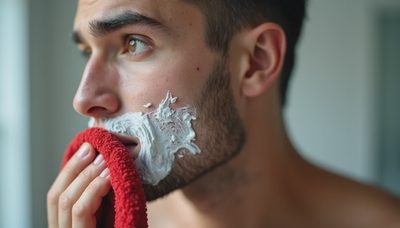
Start with a clean, slightly damp beard. After washing, pat your face and beard with a towel instead of scrubbing. Put two or three drops of beard growth oil in your palm, rub your hands together, then work the oil into the skin underneath the beard first. Finish by pulling your fingers through the hair from the cheeks toward the chin.
Short beards often need only two drops. A fuller beard may need four or five, but add gradually. Too much oil leaves a shiny face, transfers onto a pillowcase, and can make your collar look dirty. I apply mine after a shower at night because I do not need to look glossy during a 7:30 a.m. meeting. In the morning, a tiny amount on the ends is enough if the beard feels rough.
Use a beard comb after the oil has spread. A basic wooden comb in the $8 to $15 range works fine; you do not need a drawer full of grooming tools. Comb downward on the cheeks and outward along the jaw to distribute product. The whole process should take less than two minutes, not become another complicated routine.
Patch testing and common mistakes
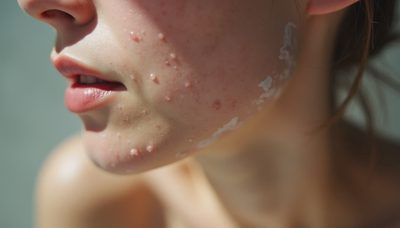
Before using beard growth oil across your face, place a small amount on the inside of your arm or along the jawline. Wait a day and watch for redness, itching, swelling, burning, or small bumps. Fragrance and essential oils are common troublemakers. If your skin reacts, wash the area and stop using the product. Persistent irritation deserves medical advice rather than another experiment from the grooming aisle.
Do not apply oil to cuts, razor burn, or visibly inflamed skin. Oil may make the surface feel less dry, but it is not a treatment for infection, eczema, or a serious rash. Also, do not confuse a warm or tingling sensation with proof that the product is working. Irritation is irritation.
Another mistake is changing products every few days. Give one simple formula a couple of weeks for a fair comfort and appearance check, while remembering that hair growth itself follows a much longer cycle. Take a photo in the same bathroom lighting if you want to compare progress. Mirror impressions change with beard length, sleep, and lighting more than most men realize.

Beard growth oil versus a basic beard routine
Oil is only one part of the picture. A practical routine starts with washing the beard and face gently, perhaps once daily or after heavy sweating. Harsh shampoo can leave facial skin tight, while ordinary bar soap can be too drying for some people. Follow with a few drops of beard growth oil, then use a comb if the hair needs direction.
If the beard is long or especially coarse, beard balm can provide more hold than oil. Balm usually contains waxes or butters, so it is useful for flyaways and shaping. Oil is better for softness and the skin underneath. You do not need both every day. On a short beard, oil alone is usually less work and less likely to build up.
Do not neglect the basics that actually affect appearance: sleep, regular washing, a clean neckline, and a trim that matches your growth pattern. A patchy beard often looks more intentional when it is kept at a consistent short length. Good grooming cannot change genetics, but it can stop uneven growth from looking accidental.
Should you buy beard growth oil?
Buy beard growth oil if your beard feels dry, your skin flakes underneath, or your facial hair looks rough and difficult to control. Start with a simple 1-ounce bottle around $10 to $20, choose a light formula, and use only a few drops. That is enough to learn whether your skin likes it.
Skip the purchase if you expect a thin cheek area to fill in because a bottle promises dramatic growth. Look carefully at claims such as guaranteed results, instant thickness, or new follicles in days. Those are reasons to slow down, not reach for your wallet. If sudden hair loss, painful patches, or major changes concern you, talk with a healthcare professional instead of treating the label as medical advice.
My own verdict is straightforward: beard growth oil is a useful conditioner and a modest grooming upgrade, not a miracle treatment. The best bottle is the one you will apply consistently, that does not irritate your skin, and that costs less than the product you bought because the packaging looked impressive. Real talk, from the sink: soften the beard you have, keep expectations honest, and spend the leftover money on something more useful.



No notes yet — write the first one.