I started looking for non toxic sunscreen after realizing my “skincare routine” had one serious hole in it: I was using face wash and moisturizer, then walking outside with my face completely unprotected. That is not a routine. That is putting new tires on a truck and ignoring the brakes. I am not a dermatologist. I am just a guy testing stuff at his own bathroom sink in Overland Park, Kansas, trying to find products that work without turning my morning into a laboratory.
The phrase non toxic sunscreen is not a regulated medical category. It is mostly a shopping term people use when they want a simpler formula, mineral UV filters, fewer irritating ingredients, or a product they feel comfortable using every day. That does not mean every product with “clean” on the label is automatically safer or better. Marketing departments are very good at putting a leaf on a bottle and charging another $12.
Real talk, from the sink: the best sunscreen is the one with broad-spectrum protection that you will apply generously and reapply when you are outside for a long stretch.
What non toxic sunscreen actually means
Most non toxic sunscreen shoppers are looking at mineral formulas made with zinc oxide or titanium dioxide. These are active ingredients that sit on the skin and help block or scatter UVA and UVB radiation. Zinc oxide is especially common in face products because it can provide broad-spectrum protection when the formula is properly made and tested.
Chemical sunscreens use other active ingredients that absorb UV radiation. That does not make them automatically dangerous, and mineral does not mean irritation-free. A mineral formula can still contain fragrance, essential oils, preservatives, or a texture that makes your face feel like it has been painted with drywall compound.
When I compare a non toxic sunscreen, I look for broad-spectrum wording, SPF 30 or higher, water resistance when I need it, and an ingredient list I can understand without a chemistry degree. I also pay attention to how my skin feels after an hour. A product that causes stinging around my eyes is not a bargain at any price.
The goal is not to find a magical bottle with zero chemicals. Everything in a sunscreen is a chemical, including water and zinc oxide. The practical goal is a well-tested product that protects your skin and does not make you dread applying it.
Mineral filters and the white cast problem
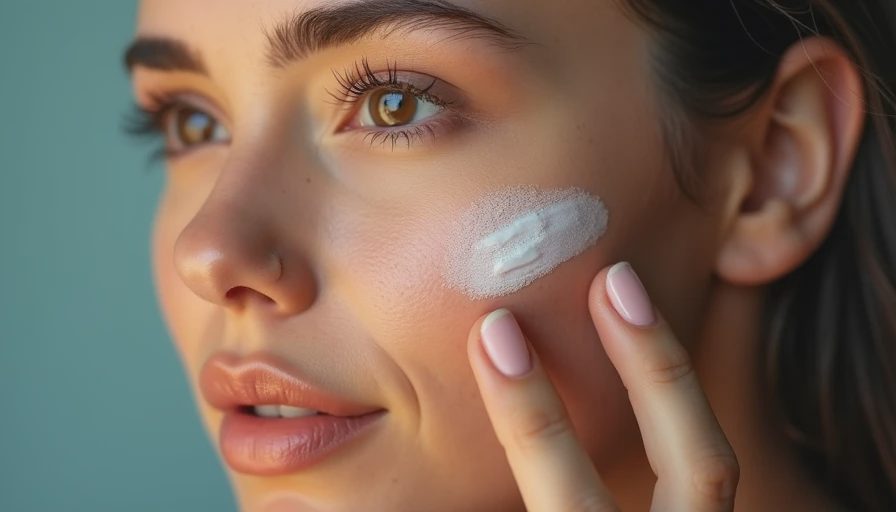
My first mineral sunscreen was a thick cream that made me look like I had lost a fight with a tub of house paint. I kept rubbing it in, but the white cast stayed on my forehead, nose, and beard. Anna noticed it before I did. That was a useful product review, although not the kind I wanted at breakfast.
White cast happens when mineral particles remain visible on the surface of the skin. It can be more obvious with higher SPF products, heavy formulas, facial hair, or dry patches. Some brands reduce the problem with smaller particles, tinted formulas, or a lighter lotion texture. Look at products from CeraVe, La Roche-Posay, Blue Lizard, and Australian Gold as examples of different approaches, but judge the actual formula rather than the logo.
A tinted non toxic sunscreen can be easier to wear because the tint helps offset the chalky appearance. The downside is that one shade may not work for everyone, and some tints can transfer onto collars. Clear zinc products avoid that cosmetic issue but can still leave a slight film, especially if you apply the correct amount.
Try a small amount along your jaw before committing to a full bottle. Give it ten minutes. Walk outside, look under natural light, and check whether it pills when layered over moisturizer. That five-minute test can save you from wasting $25 on a bottle that sits untouched in a bathroom drawer.
How to read the label without overthinking it
Start with the front of the package. Look for “broad spectrum,” because that indicates protection against both UVA and UVB radiation. SPF mainly describes protection against UVB, the type of radiation most associated with sunburn. Broad-spectrum coverage matters for everyday exposure, including driving, walking the dog, coaching basketball, and standing beside a hot grill on Sunday.
SPF 30 is a reasonable daily baseline for many adults. SPF 50 makes sense for long outdoor days, sensitive skin, boating, sports, or a history of frequent sunburn. SPF 100 is not twice as protective as SPF 50, and no number lets you apply sunscreen once at 7 a.m. and forget about it until dinner.
Water-resistant products are labeled for either 40 or 80 minutes during swimming or sweating. They are not waterproof. If you towel off, swim, or sweat heavily, reapply. A non toxic sunscreen with a good label still cannot protect skin that has been rubbed away by a towel.
Be cautious with fragrance if your skin is reactive, especially around the eyes. “Natural fragrance” can still irritate. I also avoid products that make my face sting immediately, even if the ingredient list looks impressive. Your skin is giving you useful feedback; listen to it before the marketing copy.
How much to apply and when
Most people underapply sunscreen. For the face and neck, a practical starting point is about two finger lengths of product, meaning a strip running along the length of your index and middle fingers. That can feel like a lot, but a thin swipe across the nose is not enough coverage.
Apply it as the final morning skincare step after moisturizer, unless the product itself is moisturizing enough. I put sunscreen on my face, ears, neck, and the backs of my hands. The hands are easy to forget, even though they get plenty of sun while driving. Give the product a few minutes to settle before putting on a hat or heading outside.
For a normal office day, I apply in the morning and move on. For a youth basketball practice, road trip, yard project, or long lunch on a patio, I keep a small tube in my truck but do not leave it baking in direct heat. Reapply every two hours when outdoors, and sooner after sweating or toweling off.
The cheapest non toxic sunscreen is still expensive if you only use a pea-sized amount and assume you are covered. Buy the product you can afford to apply correctly. A $14 tube used consistently beats a $42 bottle that feels terrible and gets abandoned.
Three products worth considering
CeraVe Hydrating Mineral Sunscreen is a sensible drugstore starting point. It is widely available, includes mineral filters, and has a creamier feel than some basic zinc products. It can leave a visible cast, especially if you use too much at once, so work it in sections. For dry or normal skin, it is a practical option rather than an exciting one. That is fine. Your sunscreen does not need a personality.
La Roche-Posay Anthelios Mineral is usually more expensive, often landing around $30 to $40 depending on the retailer. The texture can feel more refined, and its facial formulas are designed with daily wear in mind. If a cheaper product makes you look chalky or pills under moisturizer, the higher price may be easier to justify.
Australian Gold Botanical Tinted Face is another option for people who want a more matte finish and less obvious white cast. The tint may not match every person, and it can feel dry on already-dry skin. I would test the shade and finish before buying multiple tubes.
I would not buy based only on the words non toxic sunscreen. I would buy based on protection, comfort, appearance, and whether I will actually use it tomorrow morning.
Should you buy non toxic sunscreen?
Yes, if the term helps you focus on mineral filters, a fragrance-free formula, and a product you can wear consistently. No, if you are using it to chase a bottle that promises “chemical-free” protection. That claim is a red flag because it misunderstands what skincare products are made of.
My recommendation is simple: start with a broad-spectrum mineral SPF 30 or SPF 50, test it on your jaw, and wear it for three mornings. If it stings, pills, or leaves a finish you hate, replace it. Do not force yourself to finish a product that guarantees it will live in a drawer.
For me, a good non toxic sunscreen is the boring contractor of skincare. It shows up, does the job, does not overcharge, and does not require a 12-step plan. Put it beside your toothbrush, use enough, and make it part of the five-minute routine. Buy the one you will apply. That is the real verdict from the sink.
No notes yet — write the first one.